
Storm Damage Cleanup Tampa FL: What Recovery Really Takes
A storm just hit Tampa Bay? Here's what real storm damage cleanup involves, debris to drainage. Call (813) 842-4840 for fast recovery.

Miguel Orozco

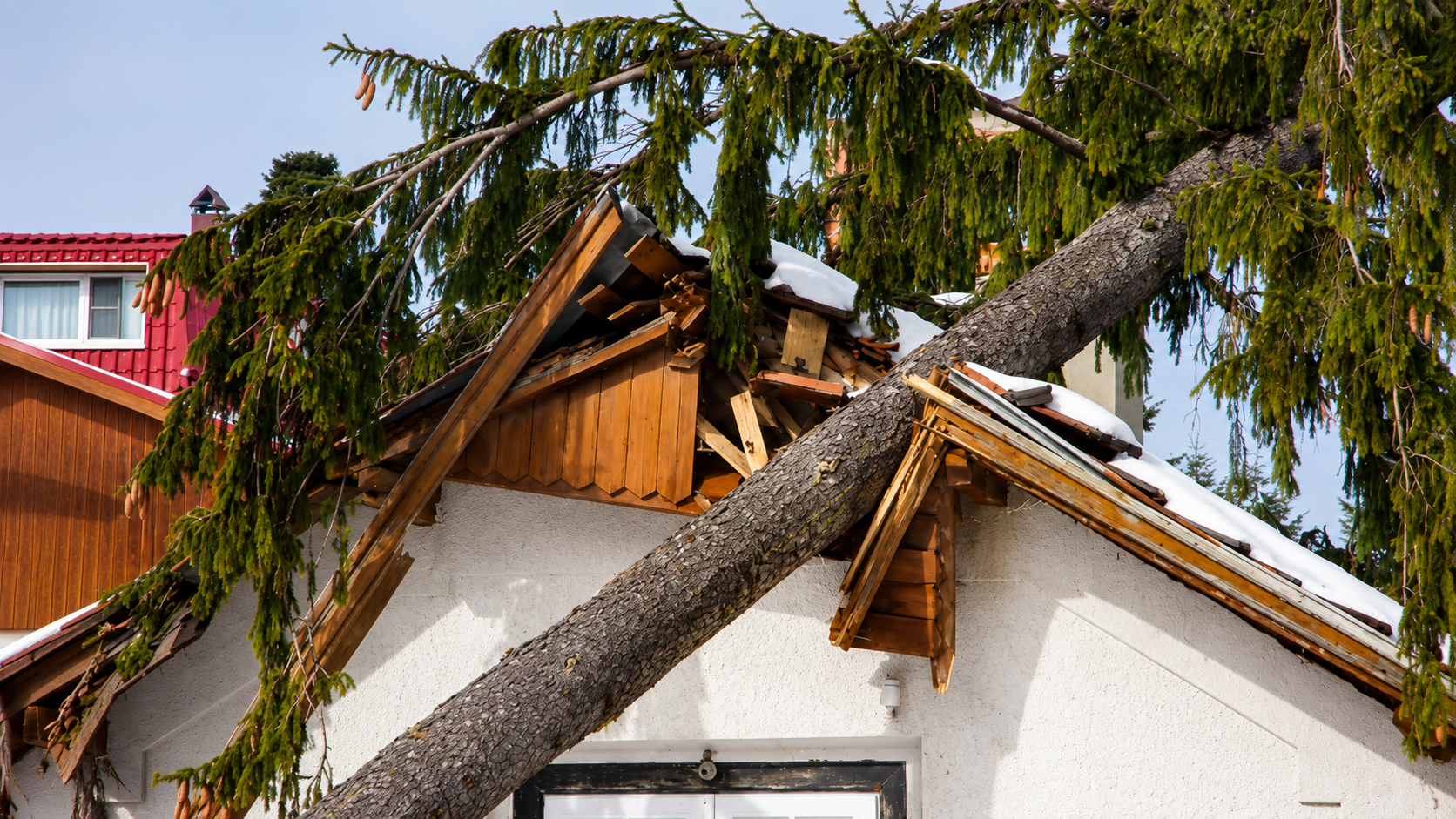
The rain stops, but the damage doesn't. Downed trees across the yard, standing water that won't recede, eroded soil around the foundation, mud where your driveway used to be — this is what's waiting for most Tampa Bay property owners the morning after a hurricane or major tropical system moves through. Storm damage cleanup in Tampa, FL isn't just about hauling away branches; it's about getting your land back to a stable, safe, buildable condition before secondary damage sets in.
This guide covers what real storm recovery involves, what typically drives the cost, and why the first 48–72 hours after a storm matter more than most people realize.

Hurricane Debris Removal Florida: Where to Start
Hurricane debris removal in Florida typically falls into two categories, and knowing the difference matters for both safety and insurance documentation.
- Vegetative debris — downed trees, broken limbs, uprooted stumps, and storm-torn brush
- Structural debris — damaged fencing, roofing material, sheds, and construction debris scattered by wind
Before any cleanup begins, it's worth photographing the damage in full for insurance purposes. Once that's done, hurricane debris removal in Florida should prioritize:
- Clearing access — driveways and walkways first, so vehicles and equipment can reach the property
- Removing hazard trees — leaning or partially uprooted trees near structures pose the highest ongoing risk
- Hauling vegetative debris to approved disposal or mulching sites, which many counties require after declared storm events
- Clearing storm drains and ditches on the property, which are often the first thing clogged and the last thing checked
Leaving large debris piles in place for weeks doesn't just look bad, it blocks drainage paths and turns a temporary mess into a longer-term water problem.
Emergency Storm Recovery Services: What's Actually Involved
Emergency storm recovery services go beyond debris hauling. A full recovery typically includes:
- Debris removal and site clearing
- Erosion repair where wind-driven rain has stripped topsoil or undermined slopes
- Grading correction for washed-out driveways, low spots, and ruts left by standing water
- Drainage repair to restore water flow that debris or soil movement disrupted
- Stump and downed tree removal, especially where root systems have lifted and destabilized the surrounding soil
Property owners who prepared ahead of hurricane season with proper grading and erosion control generally see far less damage than those with existing low spots or poor drainage, something we cover in Erosion Control Before Hurricane Season in Lakeland. But even well-prepared properties can need emergency storm recovery services after a direct hit, since wind and rainfall volume during a hurricane often exceed what standard drainage design accounts for.

Post Storm Drainage Repair: Fixing What the Water Broke
Post storm drainage repair is often the most urgent piece of recovery, because standing water left unaddressed leads directly to foundation problems, mosquito breeding, and turf death. Common post-storm drainage issues include:
- Collapsed or clogged culverts and French drains, unable to move water fast enough after debris and silt wash in
- New low spots created by soil erosion or heavy equipment traffic during cleanup
- Sediment buildup in existing drainage systems, reducing their capacity for the next storm
- Foundation-adjacent erosion, where soil has visibly washed away from the base of a home or slab
If your property is already showing signs of foundation-level erosion, it's worth reading our breakdown of foundation erosion and how to protect your home from soil damage, many of the same warning signs show up after major storms, just accelerated.
Post storm drainage repair should always start with regrading the affected area before any new drainage system is installed, since fixing pipes or French drains on top of uneven ground just delays the same problem.
Storm Damage Cleanup Cost: What Influences the Price
Storm damage cleanup cost in Tampa Bay varies widely depending on the scale of the damage and how much of the work involves heavy equipment versus manual labor.
| Cost Driver | Impact on Price |
|---|---|
| Volume of debris | Larger properties or heavy tree damage significantly increase hauling costs |
| Equipment needs | Downed trees requiring excavators or grapple trucks cost more than manual debris pickup |
| Grading and erosion repair | Regrading washed-out areas adds labor beyond simple cleanup |
| Drainage system damage | Repairing or replacing culverts, French drains, or catch basins adds material cost |
| Access difficulty | Fenced yards, tight lots, or debris blocking driveways slow down equipment access |
Insurance sometimes covers a portion of storm damage cleanup cost, particularly when tied to a declared disaster, so keeping detailed photos and itemized invoices from your contractor is worth doing before cleanup begins.
Frequently Asked Questions
How soon after a storm should I start cleanup?
As soon as it's safe to do so, ideally within 48–72 hours. Standing water and debris left in place longer increase the risk of secondary damage like drainage failure, mold, and further erosion.
Does insurance cover storm damage cleanup in Florida?
Many homeowner and commercial policies cover debris removal and storm-related damage, especially after a federally or state-declared disaster, but coverage varies by policy. Documenting damage with photos before cleanup starts is essential for any claim.
What's the difference between storm cleanup and full site restoration?
Storm cleanup typically covers debris removal and immediate hazard mitigation, while full site restoration includes regrading, drainage repair, and erosion correction to bring the property back to a stable, pre-storm condition.
Can storm damage cause long-term drainage problems if not addressed quickly?
Yes. Debris-clogged culverts, eroded soil, and new low spots created during a storm often worsen with each subsequent rain event if they aren't corrected, turning a one-time storm event into a recurring drainage issue.
Recover Fast, Rebuild Right
Storm damage cleanup in Tampa, FL is time-sensitive, every day debris and standing water sit on your property increases the risk of erosion, drainage failure, and further damage. Level One Grading handles the full recovery process, from debris removal to regrading and drainage repair, so your property is stable and storm-ready again, not just temporarily cleared.
Call Level One Grading for emergency storm recovery in Tampa Bay at (813) 842-4840, and get your property back on solid ground.

About Miguel Orozco
Miguel Orozco is the President of Level One Grading, a trusted Central Florida grading and excavation company, delivering precise earthwork solutions and dependable results for residential and commercial projects since its founding.