
Erosion Control Before Hurricane Season in Lakeland
Erosion control protects Lakeland, FL properties before hurricane season. Learn prevention steps, sediment fencing, and drainage fixes. Call now.

Miguel Orozco

Central Florida property owners already know what June through November brings. Heavy afternoon storms, saturated ground, and the constant risk of a named system tracking through the Gulf. Erosion control is not a luxury service during these months, it is the difference between a yard that holds its shape through the season and one that loses topsoil, undermines a foundation, or floods every time the sky opens up.
Whether you own a home in Lakeland, manage farmland in Plant City, or oversee a commercial lot anywhere across Hillsborough and Polk counties, erosion control belongs at the top of your storm preparation list, not the bottom. The 2026 Atlantic hurricane season officially runs from June 1 through November 30, with activity historically peaking between mid September and October, so there is still time to put erosion control measures in place before the ground gets tested again.
At Level One Grading, we install erosion control systems throughout Central Florida, with deep hands on experience in Plant City, the agricultural heart of the region and one of the areas most exposed to seasonal runoff and soil loss. This guide covers soil erosion prevention, sediment fence installation, hurricane season yard protection, and land erosion solutions, so you know exactly what your property needs before the next storm rolls in.
Soil Erosion Prevention Starts With Understanding Your Soil
Plant City and much of the surrounding Lakeland corridor sit on sandy loam with a shallow water table. That combination means soil erosion prevention has to account for how fast water moves through the ground, not only how much rain falls in a single afternoon. Sandy soil drains quickly, but it also washes away quickly once vegetation is disturbed or a slope is graded without proper stabilization.
A solid soil erosion prevention plan is really an erosion control plan built around the specific conditions of your lot, and it usually combines a few core techniques:
- Grading the land so water sheds away from structures instead of pooling or cutting new channels
- Establishing groundcover, sod, or mulch on exposed slopes as soon as possible after clearing
- Installing swales and berms that slow water down before it reaches a drainage point
- Using erosion control blankets on steep or freshly graded areas until vegetation takes root
Skipping erosion control during initial site work is one of the most common, and expensive, mistakes we see across Central Florida. A lot that looks stable in the dry season can lose inches of topsoil after a single tropical storm, and once that soil is gone, fixing it means fill dirt, regrading, and new erosion control work, all of which cost far more than doing the job right the first time. For property owners planning new construction, pairing soil erosion prevention with proper site preparation protects your investment from day one, not after the first flood. In our experience across Plant City and Lakeland, the properties that budget for erosion control up front spend far less over the life of the property than the ones that treat it as an afterthought.
Sediment Fence Installation: Your First Line of Defense
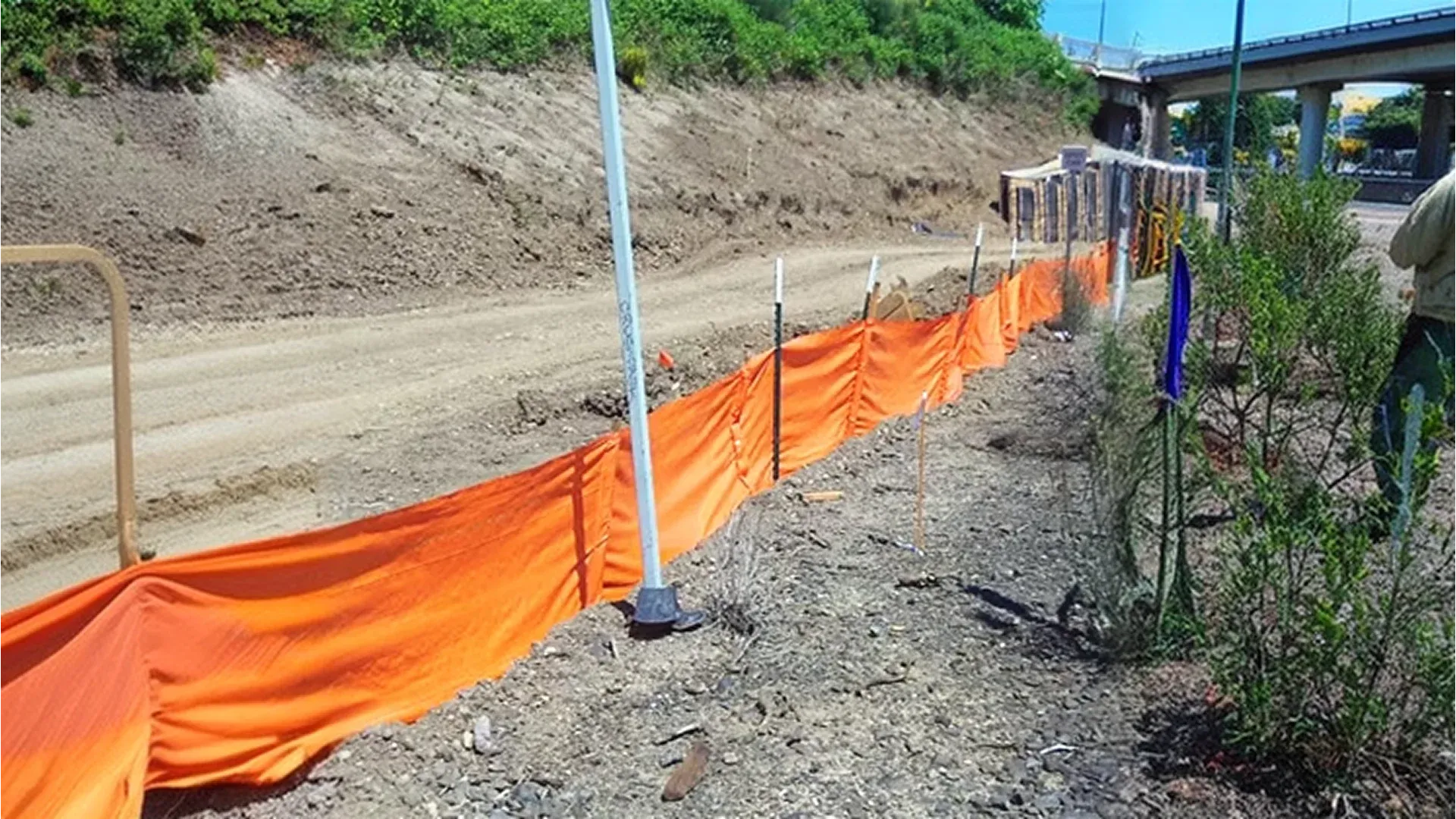
Sediment fence installation is one of the fastest, most affordable erosion control measures available, and it is often required by local permitting offices before any land disturbing activity begins. In practice, it is usually the very first erosion control step a contractor takes on site. A properly installed sediment fence is a barrier, typically woven fabric anchored to posts, that intercepts runoff and traps loose soil before it can reach a storm drain, retention pond, or a neighboring property.
Getting sediment fence installation right matters more than most homeowners expect. A fence trenched too shallow, or spaced too far from the slope it is protecting, will fail during the first heavy rain and leave the property owner facing a code violation or a washed out yard. Our crews handle sediment fence installation with attention to a few details that separate a fence that holds from one that does not:
- Trenching the base of the fence at least six inches into the soil so runoff cannot cut underneath it
- Placing posts close enough together to resist wind and water pressure during a tropical storm
- Positioning the fence along the natural contour of the land, not in a straight line that ignores drainage patterns
- Inspecting and clearing sediment buildup regularly so the barrier keeps working through the entire season
Sediment fence installation is especially common on construction sites, cleared lots, and agricultural parcels around Plant City, where bare soil is exposed for weeks or months at a time. If you are planning any excavation, land clearing, or grading project this year, ask your contractor how erosion control and sediment fence installation fit into the overall plan before the permits are even pulled. Level One Grading builds erosion control into every applicable site preparation and land clearing project.
Hurricane Season Yard Protection: What to Check Before the First Storm
Hurricane season yard protection is not a single task, it is a checklist, and erosion control sits at the center of nearly every item on it. Between June and November, Central Florida properties face repeated rounds of heavy rain, and each storm tests whatever erosion control measures are already in place. Waiting until a hurricane watch is issued is too late to fix a grading problem, so the smart window for erosion control and hurricane season yard protection is now, before the peak months arrive.
A practical erosion control checklist for hurricane season yard protection should include:
- Grade check. Confirm water actually flows away from your foundation and toward a designated drainage point, not toward the house.
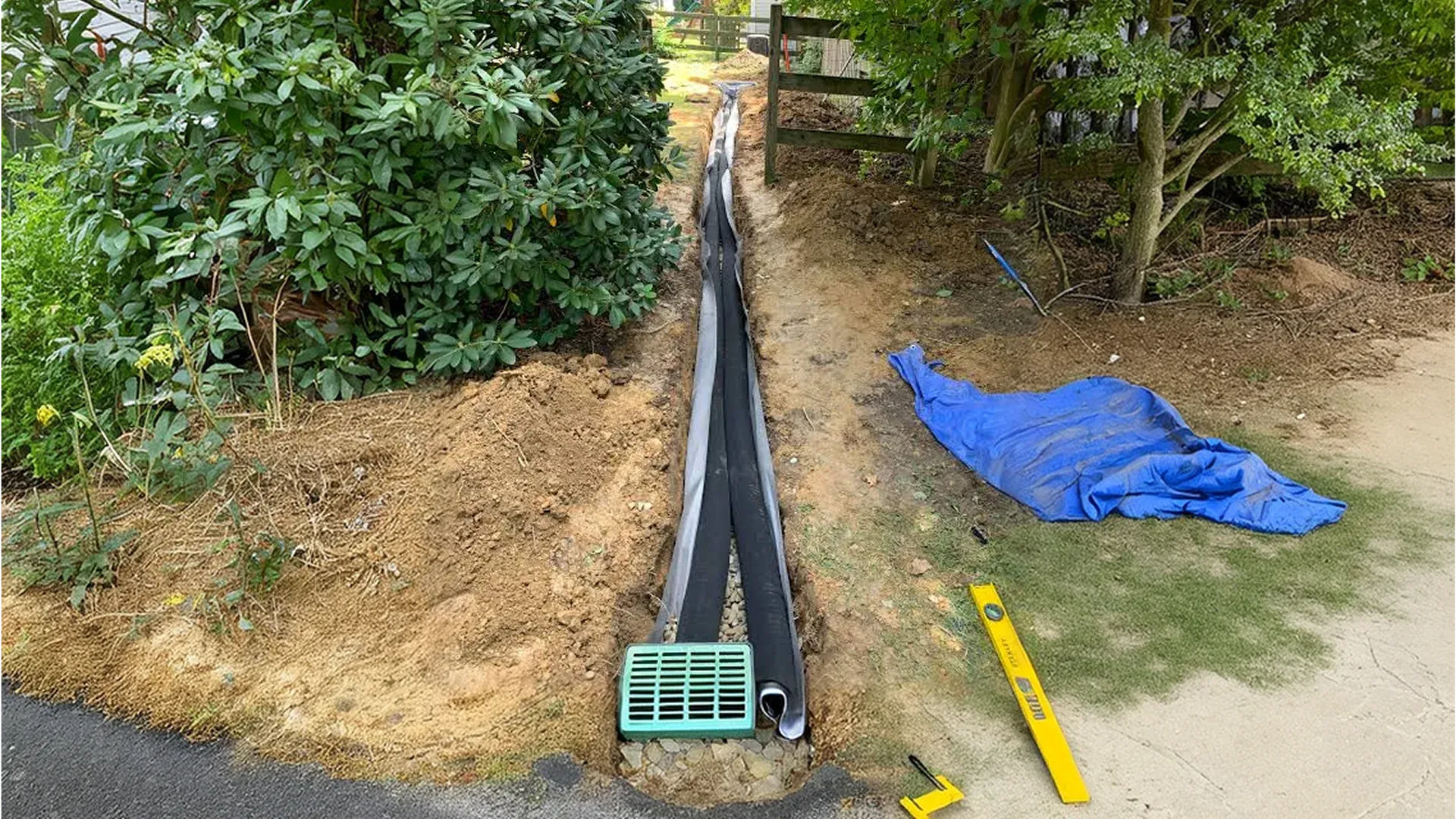
- Drainage inspection. Clear French drains, swales, and culverts of debris so they can handle a sudden downpour.
- Erosion control review. Walk the property for bare soil, thinning groundcover, or slopes that have started to show rills and channels.
- Sediment barrier check. If sediment fencing is already installed, confirm it is still trenched properly and free of buildup.
- Retention pond maintenance. Overgrown or silted ponds lose capacity fast, right when you need it most.
Hurricane season yard protection also means thinking beyond your own property line. Water that pools on a neighbor's lot during a normal week can become a shared flooding problem during a tropical storm, especially in flat, low lying neighborhoods common throughout Lakeland and Plant City. If your property has flooded before, or if you have noticed standing water lingering longer than it used to, that is a sign your current drainage solution needs a second look before storm season peaks.
Land Erosion Solutions for Long Term Property Value
Short term fixes buy time, but real erosion control, the kind of land erosion solutions that actually hold up, needs to address the root cause, not just the symptom. If a property keeps losing soil in the same spot year after year, the real issue is almost always grade, drainage, or vegetation, and patching the surface without correcting those factors just delays the next repair.
The most reliable land erosion solutions we install across Hillsborough and Polk counties include:
- Regrading and laser grading, a long term, permanent fix for uneven lots with recurring pooling
- French drains, built to relieve foundation moisture and low spots for 15 to 20 or more years
- Swales and berms, a long term option for redirecting sheet flow across open land, with periodic maintenance
- Retention and detention pond restoration, best suited to commercial and agricultural sites that need regular upkeep
- Culvert installation, engineered to handle driveway and roadside water crossings for 20 or more years
- Erosion control blankets and groundcover, a short to mid term measure for slopes and freshly cleared land until vegetation establishes
Choosing the right erosion control approach and land erosion solutions depends on your soil type, the slope of the property, and how the land is used. A pasture in Plant City has different needs than a residential lot in Lakeland, which is why a proper site assessment, not a one size fits all package, should always come first. According to the Environmental Protection Agency, effective erosion control during land disturbing activity is one of the most cost efficient ways to protect water quality and prevent long term property damage, a principle that applies just as directly to a half acre yard as it does to a commercial development. Whatever combination of land erosion solutions your property needs, the goal of erosion control stays the same, keep the soil where it belongs.
Frequently Asked Questions
How much does erosion control cost in Lakeland or Plant City, FL?
Erosion control cost depends on the scope of the project, the size of the property, and which solutions are needed. A basic sediment fence installation on a residential lot costs far less than a full regrading and drainage overhaul on a commercial site. Level One Grading provides a site specific quote after an on site assessment, so you know exactly what erosion control will cost before work begins.
How long does erosion control installation take?
Simple measures like sediment fence installation can often be completed in a single day. More involved land erosion solutions, such as regrading a lot or installing a French drain system, typically take one to three days depending on site conditions, soil type, and permitting requirements.
Is erosion control required by law in Florida?
Many counties, including Hillsborough and Polk, require permitted erosion and sediment control measures for construction and land disturbing activities. Requirements vary by project size and location, so it is worth confirming local rules before clearing or grading a lot.
Can erosion control prevent flooding during hurricane season?
Erosion control alone will not stop a major storm surge or catastrophic rainfall event, but well designed grading, drainage, and sediment barriers significantly reduce standing water, soil loss, and foundation damage during the heavy rain that comes with a typical Central Florida hurricane season.
Protect Your Property Before the Next Storm
Erosion control is one of those investments that only feels urgent after the damage is already done. The properties that come through hurricane season with the least disruption are almost always the ones where erosion control, in the form of soil erosion prevention, sediment fence installation, and proper drainage, was handled before the rain started, not after.
If you own property in Lakeland, Plant City, or anywhere across Hillsborough and Polk counties, now is the time for a professional erosion control assessment. Level One Grading has been protecting Central Florida land with grading, drainage, and erosion control expertise for years, and we would rather walk your property with you today, erosion control plan in hand, than help you rebuild it after a storm.
Call Level One Grading at 813-842-4840 to schedule your erosion control assessment before hurricane season peaks.

About Miguel Orozco
Miguel Orozco is the President of Level One Grading, a trusted Central Florida grading and excavation company, delivering precise earthwork solutions and dependable results for residential and commercial projects since its founding.