
What Is Land Grading? Guide for Central Florida Properties
Learn what land grading is, why it matters in Florida, and how Level One Grading delivers precision results for residential and commercial sites.

Miguel Orozco

Before a single foundation is poured, before one wall goes up, the ground itself has to be right. Land grading is the process that makes that possible. It shapes, levels, and slopes the earth so water drains correctly, soil stays stable, and construction can move forward without costly setbacks.
In Central Florida, land grading isn't just a best practice, it's a necessity. The region's flat terrain, sandy soils, and intense seasonal rainfall create the perfect conditions for drainage failure when grading is done poorly or skipped altogether. The result? Flooding, erosion, and foundation damage that can cost tens of thousands of dollars to fix.
This guide explains exactly what land grading is, why it's critical for Florida properties, and what a professional land grading process looks like from start to finish. Whether you're building a custom home, developing a commercial lot, or simply trying to solve a drainage problem on your property, understanding land grading gives you the foundation, literally, to move forward with confidence.
What Is Land Grading? Understanding Site Preparation in Central Florida
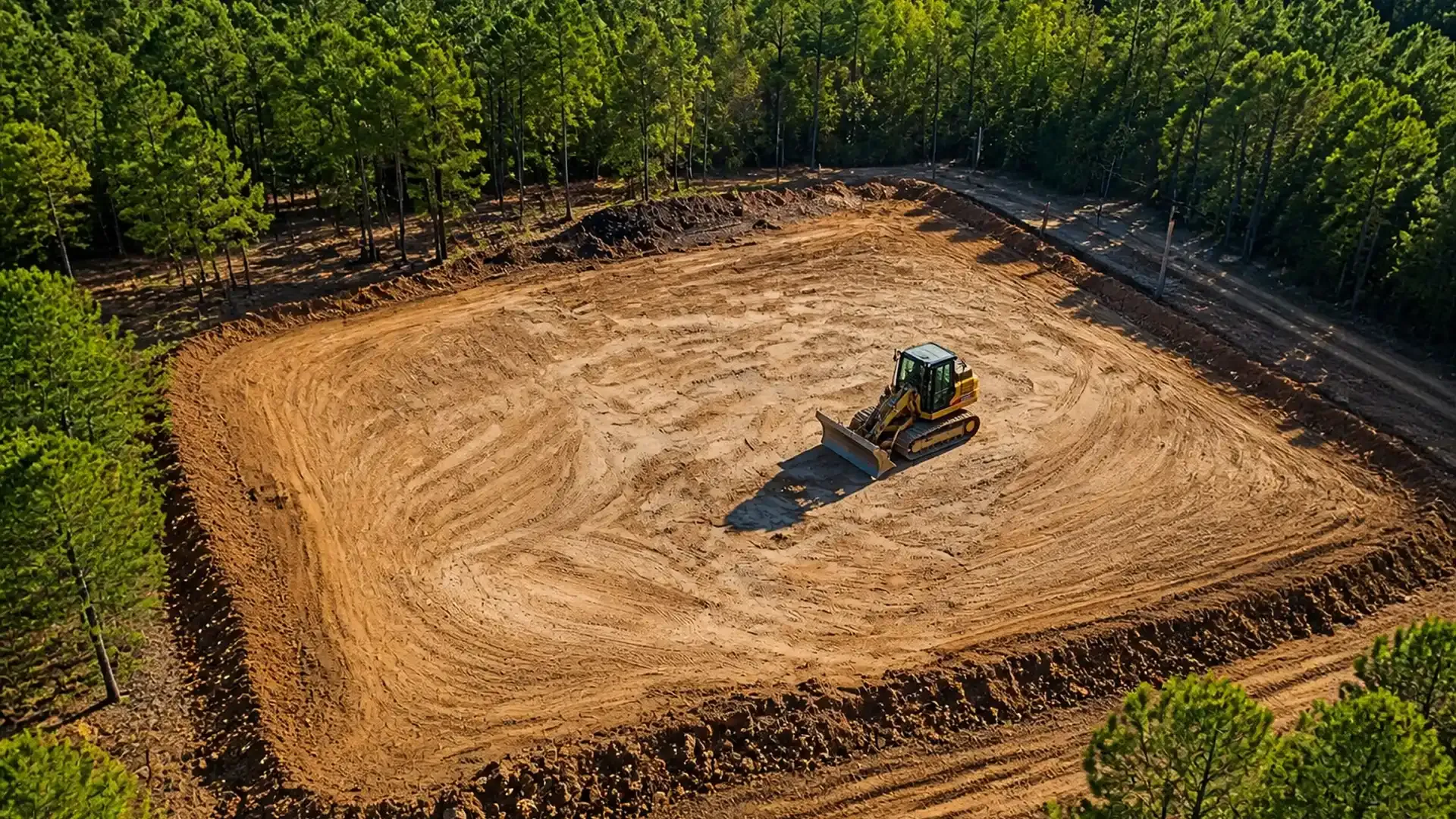
Land grading is the controlled reshaping of the earth's surface to achieve a specific elevation and slope. It's one of the most foundational steps in site preparation in Central Florida. Contractors use heavy equipment: excavators, box blades, bulldozers, and compactors, to cut down high points, fill in low spots, and create a surface that directs water away from structures while supporting the weight of whatever will be built on top.
There are two main phases of land grading involved in site preparation:
Rough grading establishes the overall shape and elevation of the site. This is the heavy lifting, large volumes of soil are moved to get the land close to the desired grade. Rough grading sets the stage for underground utilities and foundational work.
Finish grading follows after foundations and utilities are in place. This is the precision phase, where the surface is carefully shaped to meet exact drainage slopes and create a smooth, inspectable final surface. In Central Florida's site preparation process, finish grading is where proper drainage slopes are locked in permanently.
For residential projects, land grading creates stable pads for home foundations, driveways, and walkways. For commercial developments, it ensures large areas drain consistently, avoiding ponding that would otherwise erode the site or compromise pavement. In both cases, site preparation in Central Florida that skips or shortcuts land grading invites problems that compound over years.
How Drainage Grading in Florida Protects Your Property Long-Term
Few states demand more attention to drainage than Florida. The combination of flat topography, high water tables, and over 50 inches of annual rainfall, most of it arriving in concentrated summer storms, means that drainage grading in Florida isn't optional. It's the primary way builders and property owners prevent long-term water damage.
When land grading is executed correctly, it creates deliberate slopes that direct runoff away from structures and into designated drainage paths. The standard rule is at least a 2% slope (roughly 2 inches of drop per 10 feet) moving away from foundations. In many Central Florida sites, local codes or soil conditions require steeper slopes or supplemental drainage solutions.
Poor drainage grading in Florida leads to a predictable chain of problems:
- Standing water pools around foundations, slowly undermining soil stability
- Erosion strips topsoil and creates uneven surfaces that worsen over time
- Hydrostatic pressure builds against basement walls and slabs, causing cracks and leaks
- Mosquito breeding increases in standing water, a real concern in Florida's warm climate
Professional land grading accounts for all of these risks. A skilled contractor analyzes the natural flow of water across your site, identifies where water is currently going (and where it needs to go), and shapes the land accordingly. Drainage grading in Florida also considers neighboring properties, a common point of code compliance that amateur grading often misses.
Level One Grading specializes in drainage solutions designed for Central Florida's unique soil and climate conditions, including Hillsborough, Polk, Pasco, and Pinellas counties. Every land grading plan addresses both immediate drainage and long-term site stability.
GPS Grading Contractor Technology: How Precision Makes the Difference
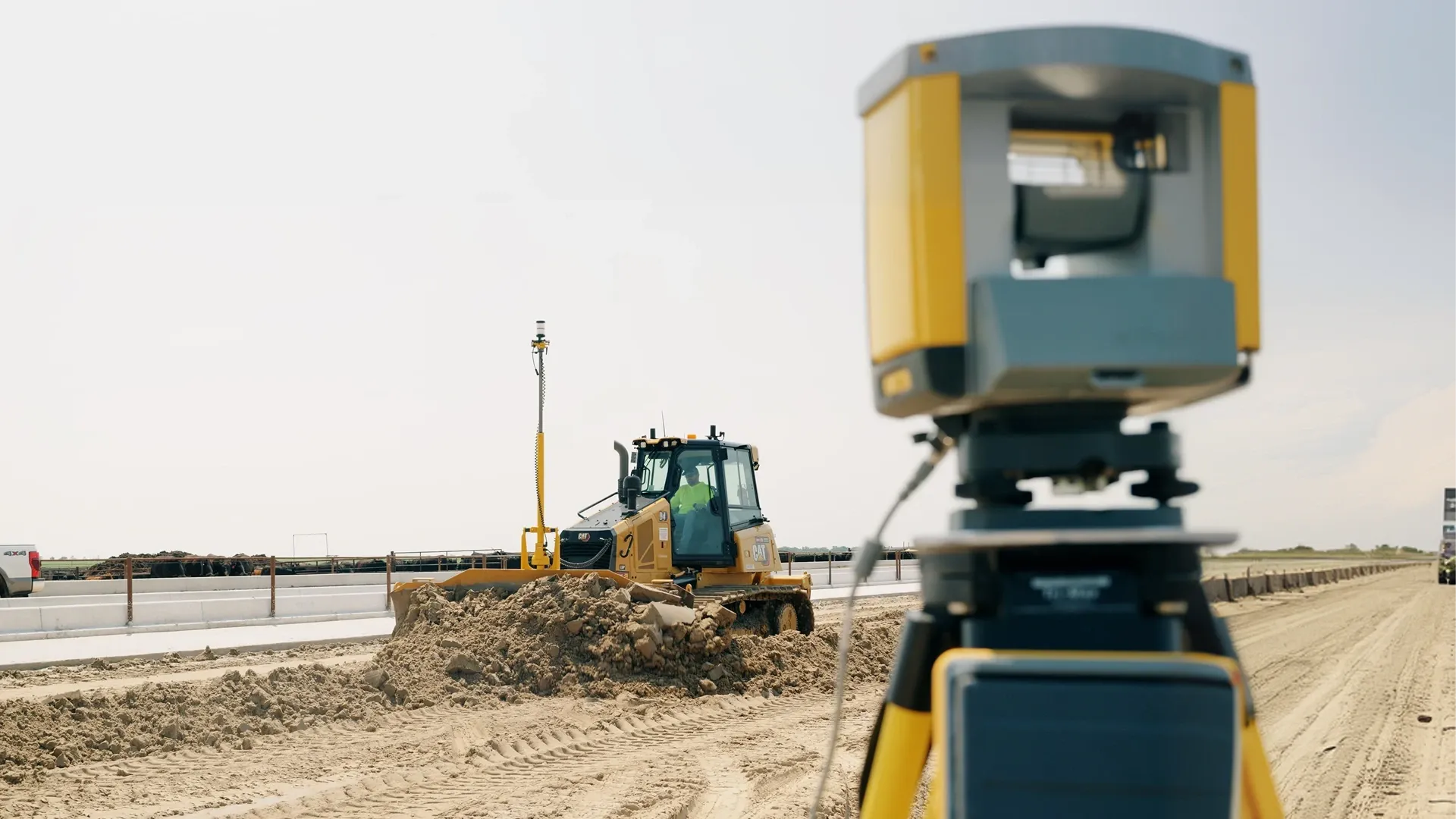
Modern land grading has been transformed by GPS-guided technology, and the difference in results is significant. Traditional grading relied on manual measurements and operator judgment — which worked, but left room for inconsistency. A GPS grading contractor uses real-time satellite positioning to guide equipment to millimeter-level accuracy, matching every pass of the blade to the engineered grade plan.
Here's why hiring a GPS grading contractor matters for your land grading project:
Accuracy: GPS-guided equipment follows a digital model of the target grade, ensuring slopes are consistent across the entire site, not just close to where stakes were set.
Speed: Less time is spent checking and re-checking grades manually, which reduces labor hours and speeds up the overall timeline.
Less rework: Errors in land grading are expensive to fix after the fact. GPS technology catches grade deviations before they're compacted in, not after concrete is poured.
Better documentation: GPS grading generates a verifiable record of the work performed, which can be useful for permits, inspections, and future construction phases.
Level One Grading operates with GPS-guided precision equipment on residential and commercial land grading projects across Central Florida. As a licensed GPS grading contractor, the team delivers the kind of accuracy that protects clients from downstream problems, whether the project is a single-family home pad or a multi-acre commercial development.
For property owners comparing land grading bids, GPS capability is one of the clearest signals of a contractor who invests in quality outcomes rather than just fast completion.
Frequently Asked Questions About Land Grading
What does a land grading contractor do?
A land grading contractor reshapes the surface of a property to achieve correct elevation, slope, and drainage. The work involves using heavy equipment to cut down high areas, fill in low areas, compact the soil, and create a stable, properly sloped surface. A professional land grading contractor also ensures the finished grade complies with local codes and drainage requirements — a critical step before any construction begins.
How much does land grading cost in Florida?
Land grading costs in Florida vary based on site size, soil conditions, the amount of material that needs to be moved or removed, and whether drainage structures are required. The best way to get an accurate figure is to request an on-site estimate, Level One Grading offers free estimates for land grading projects in Hillsborough, Polk, Pasco, and Pinellas counties.
When is land grading necessary?
Land grading is necessary before construction of any structure homes, commercial buildings, driveways, or parking lots. It's also needed when a property has existing drainage problems like standing water, erosion, or uneven terrain. In Florida, land grading is frequently required by local building codes as part of the permit process for new construction or major site work.
How long does a land grading project take?
Most residential land grading projects are completed in one to three days, depending on site size and complexity. Larger commercial land grading projects may take one to two weeks or more. Weather conditions, soil type, and access to the site also affect the timeline. A qualified land grading contractor will provide a realistic schedule after evaluating the property.
What is the difference between land grading and land clearing?
Land grading and land clearing are related but distinct services. Land clearing removes trees, brush, stumps, and debris from a site. Land grading then shapes the cleared land to the correct elevation and slope. Both are typically part of the same site preparation process but grading cannot be done properly until the land has been cleared. Level One Grading provides both services as part of comprehensive site preparation for Central Florida properties.
Conclusion: Get Your Land Grading Done Right From the Start
Land grading is the step that determines whether everything built on your property succeeds or struggles. A properly graded site drains correctly, supports structures reliably, and holds up through Florida's rainy seasons without flooding or erosion. Cut corners at this stage and you're building on a problem, one that gets more expensive the longer it goes unaddressed.
Level One Grading brings GPS-guided precision, deep experience with Central Florida soils, and a track record of residential and commercial land grading projects across Hillsborough, Polk, Pasco, and Pinellas counties. Whether you're breaking ground on a new home, preparing a commercial lot, or solving a drainage problem on an existing property, the team delivers land grading results you can build on.
Ready to start? Schedule a free estimate with Level One Grading (813) 842-4840 today!

About Miguel Orozco
Miguel Orozco is the President of Level One Grading, a trusted Central Florida grading and excavation company, delivering precise earthwork solutions and dependable results for residential and commercial projects since its founding.