
Site Preparation Checklist: Before Construction Begins
Master site preparation with our complete checklist covering land clearing, soil testing, permits, utility locating, and grading before construction.

Miguel Orozco

Building a home or commercial structure is one of the biggest investments you'll ever make and what happens before the first wall goes up matters just as much as the construction itself. Skipping steps in the site preparation checklist is one of the leading causes of project delays, budget overruns, and structural problems that surface years after a building is complete.
A proper site preparation checklist covers everything from legal permits and soil testing to land clearing, utility locating, and grading. Each step exists for a reason: to make sure the ground is ready, safe, and legally cleared for the work ahead. Miss one, and you may face stop-work orders, failed inspections, or a foundation built on soil that can't support the load.
This guide walks you through every critical item on the site preparation checklist before construction, in the right order, with the right detail, so your project starts on solid ground.
Land Clearing and Grubbing: The First Step on Every Site Preparation Checklist
Before any survey stake goes in the ground or any equipment arrives, the site needs to be cleared. Land clearing and grubbing is the process of removing vegetation, trees, brush, stumps, and surface debris from the construction area. It's the very first physical task on any site preparation checklist, and doing it thoroughly sets up every subsequent step for success.
Land clearing and grubbing involves more than just cutting down trees. "Clearing" refers to removing above-ground vegetation; "grubbing" refers to removing root systems, stumps, and buried organic material. Both are essential, leaving roots and organic matter in place causes soil to decompose and settle unevenly under the weight of a foundation, which leads to cracking and structural movement over time.
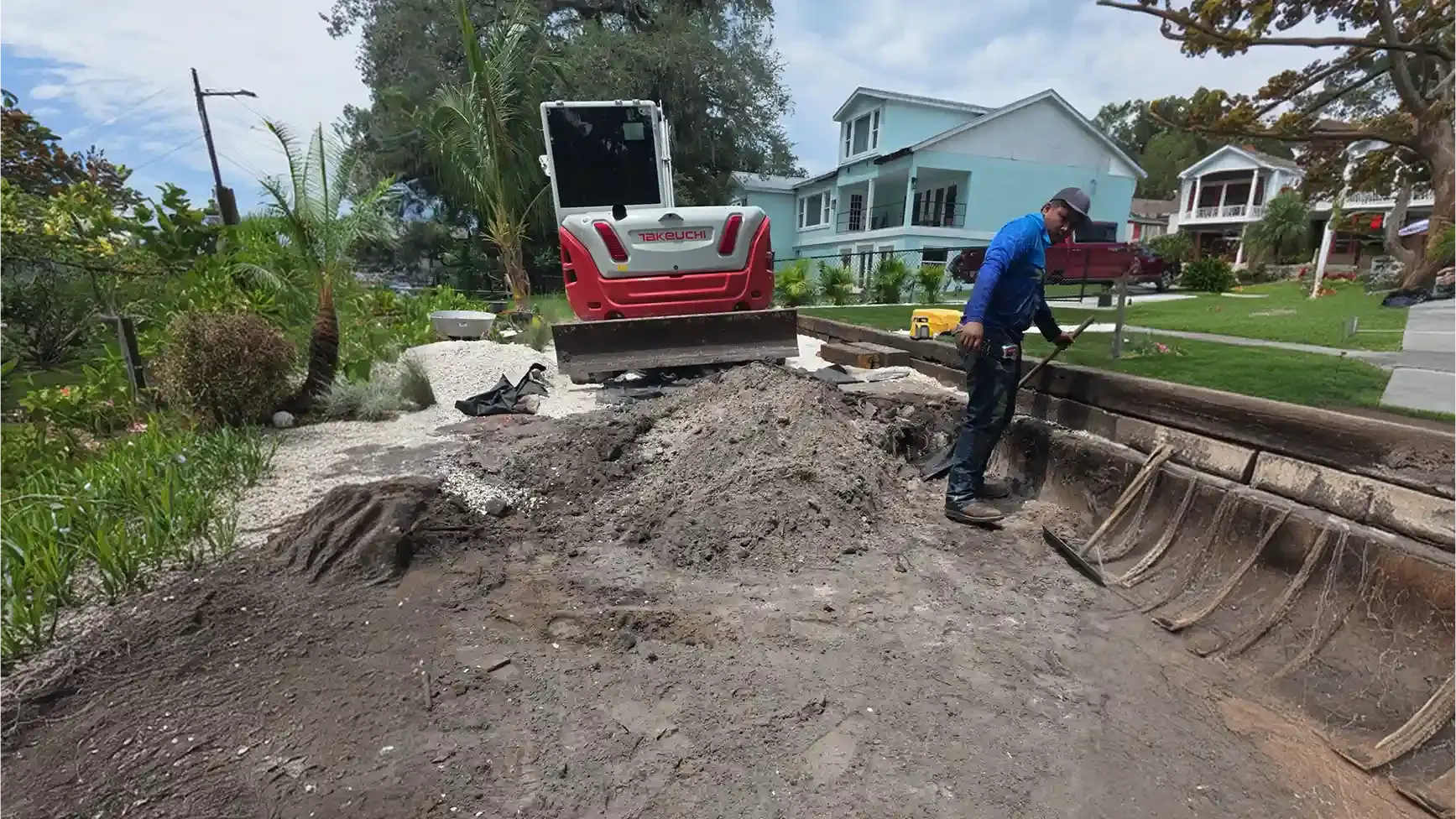
For your site preparation checklist, land clearing and grubbing should include:
Tree and vegetation removal within and slightly beyond the building footprint Stump grinding or full stump removal down to a depth specified by your engineer Topsoil stripping, the top 6 to 12 inches of organic-rich topsoil is typically removed because it's too compressible to support a foundation Debris hauling, all cleared material removed from the site or chipped and repurposed as mulch
Environmental permits may be required for land clearing and grubbing if the site contains protected species, wetlands, or regulated tree canopy. Check with your local municipality before clearing begins. Skipping this verification is a common and costly mistake on construction site preparation checklists.
Soil Testing Before Construction: What's Under the Surface Matters
Once the site is cleared, the ground underneath needs to be evaluated before any grading or foundation work begins. Soil testing before construction is a non-negotiable step on the site preparation checklist. It tells you whether the ground can actually support the structure you're planning to build.
Soil testing before construction typically involves a geotechnical engineer drilling or boring into the ground at multiple points across the site. The samples are then analyzed for soil type, bearing capacity, compressibility, moisture content, and the presence of any problematic conditions like expansive clay, loose fill, or high groundwater.
The results directly influence foundation design. A site with stable, load-bearing soil may support a simple slab-on-grade. A site with weak or expansive soils may require deep pilings, caissons, or reinforced footings, significantly increasing project cost. Finding this out during soil testing before construction is far better than discovering it after the slab cracks.
Key items from soil testing before construction that belong on your site preparation checklist:
Geotechnical report (sometimes called a soils report or geotech investigation) Percolation test if a septic system is planned, determines drainage rate of the soil Radon testing in areas with known radon-bearing geology Phase I Environmental Site Assessment for commercial projects or sites with prior industrial use Compaction testing to confirm fill areas meet the required density before building
How to Navigate Construction Site Permits Before Breaking Ground
One of the most overlooked items on any site preparation checklist is permitting. Many property owners assume permits are handled by the contractor, but understanding the process helps you avoid costly delays and ensures nothing is missed before construction begins.
Construction site permits are legal authorizations issued by local government agencies that allow work to proceed on a specific parcel. Most jurisdictions require permits not just for the building itself, but for site preparation activities including grading, demolition, tree removal, and utility connections. Starting any of these activities without construction site permits can result in stop-work orders, fines, and mandatory removal of completed work.
A standard site preparation checklist for permitting typically includes:
Zoning verification, confirming the intended use is allowed on the property Building permit application with approved site plan, architectural drawings, and engineering reports Grading and drainage permit, required in most counties when earth is being moved Tree removal permit if protected trees are on the lot Stormwater management plan for larger sites or lots in sensitive drainage areas Erosion and sedimentation control plan, required during construction to protect neighboring properties and waterways
Construction site permits processing times vary widely by jurisdiction, from a few days in rural counties to several months in urban areas. Build permitting timelines into your project schedule as part of the site preparation checklist planning phase, not as an afterthought.
Utility Locating Services: Protect What's Already Underground
Digging on a site without knowing what's beneath the surface isn't just inefficient. It's dangerous. Utility locating services identify the location of underground gas lines, water mains, sewer pipes, electrical conduits, and telecommunications cables before any excavation begins. This step is legally required in most U.S. states and belongs at the top of every site preparation checklist.
In the United States, calling 811 (the national "Call Before You Dig" number) is free and initiates the public utility locating process. Local utility companies will mark their lines within a few business days. However, 811 only covers public utilities. Private utilities, irrigation systems, propane lines, private electrical feeds, septic systems, require separate utility locating services from a private locating company.
For a complete site preparation checklist, utility locating should cover:
811 call at least 3 business days before any digging begins Private utility locate for any on-site private systems As-built drawings from previous owners if the site has had prior construction Potholing or vacuum excavation to visually confirm line locations in critical areas before heavy equipment operates Documentation of all located utilities provided to the excavation contractor
Striking an underground gas line or electrical conduit causes injuries, project shutdowns, and massive liability. Utility locating services typically cost $200 to $800 for a residential lot, an investment that takes less than a day and protects your crew, your project, and your budget.
Site Grading and Excavation: Shaping the Land for What Comes Next
With the site cleared, tested, permitted, and utility-marked, it's time for the most physically transformative step on the site preparation checklist: grading and excavation. Site grading and excavation shapes the raw land into the engineered platform your structure will be built on, and doing it correctly is critical for long-term drainage, structural performance, and code compliance.
Site grading and excavation serves several purposes simultaneously. It establishes the correct elevation for the building pad, creates positive drainage slopes that direct water away from the foundation, prepares the subgrade for concrete work, and sometimes creates space for below-grade construction like basements or crawlspaces.
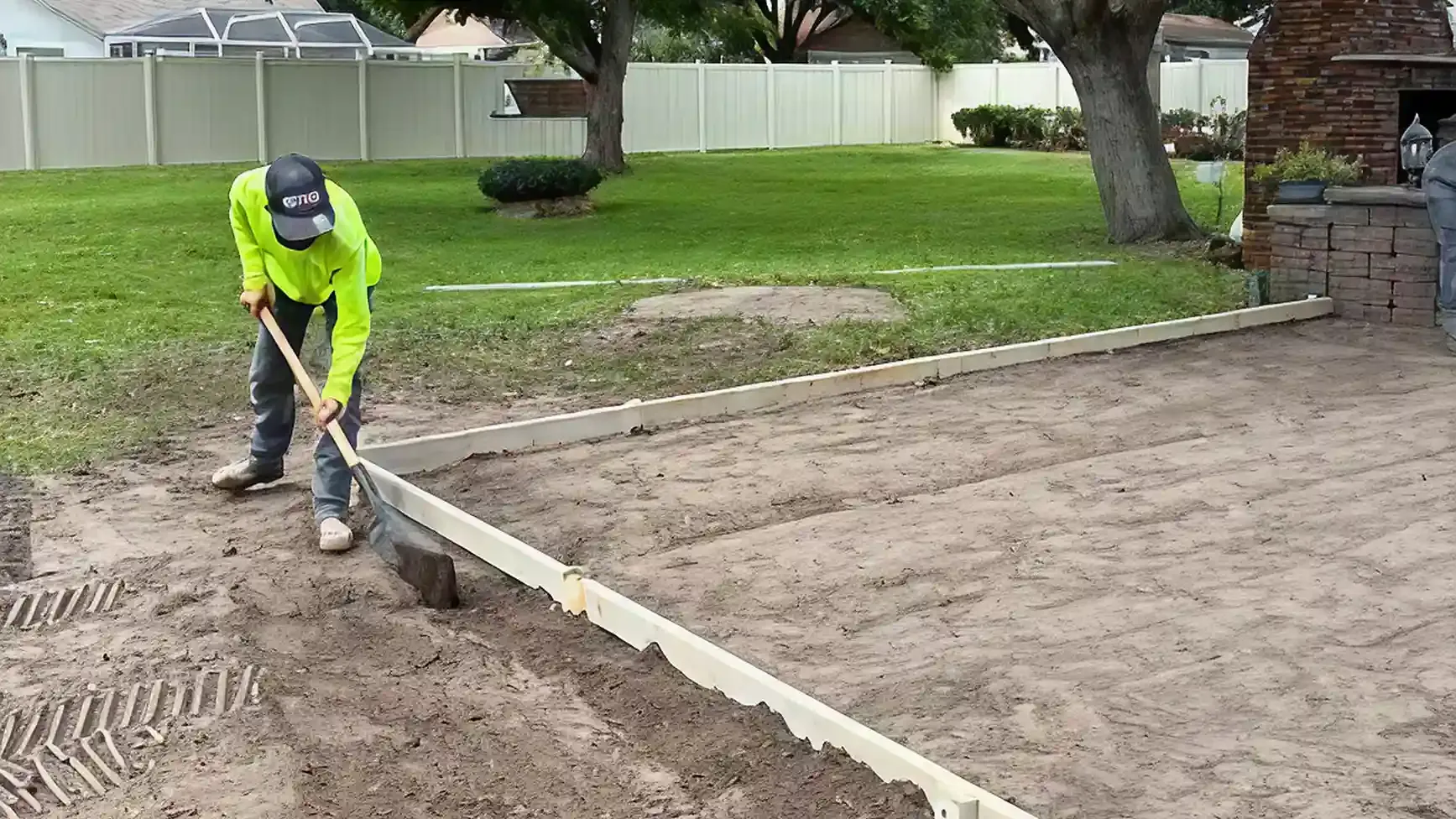
For your site preparation checklist, grading and excavation should accomplish:
Rough grading, major earthwork to bring the site to the approximate finished elevations shown on the civil drawings Cut and fill balancing, moving soil from high areas to low areas on the same site to minimize hauling costs Building pad preparation, compacting the subgrade to the specified density (typically 95% Proctor compaction or greater) Swales and berms, shaping drainage channels and raised barriers to control stormwater Fine grading, precise elevation control around the building footprint before foundation work begins Compaction testing at each fill layer to document compliance with engineering specifications
Site grading and excavation should always be guided by a civil engineer's grading plan. Attempting to grade by eye or without documentation creates drainage problems that are expensive to fix after the foundation is poured, and difficult to detect until water starts entering the structure during rain events.
Frequently Asked Questions
What is a site preparation checklist and why do I need one? A site preparation checklist is a step-by-step guide of all the tasks that must be completed before construction begins on a property. It typically includes land clearing, soil testing, permitting, utility locating, and grading. Without a complete checklist, projects frequently encounter delays, failed inspections, or structural problems caused by inadequate site preparation.
How long does site preparation take before construction? The timeline varies significantly depending on site conditions, permit processing times, and the scope of work. A simple residential lot in a rural area might be ready in 2 to 4 weeks. A complex commercial site or a lot requiring environmental remediation, extensive clearing, or slow permit review could take 3 to 6 months or more. Permitting is typically the longest single item on the site preparation checklist.
Do I need permits for site preparation work? Yes, in most jurisdictions. Grading, tree removal, land clearing, and utility connections typically each require separate permits from your local building and planning departments. Starting work without the required construction site permits can result in stop-work orders, fines, and mandatory restoration of the site to its original condition.
What happens if soil testing reveals a problem? If soil testing before construction uncovers weak, expansive, or contaminated soil, your geotechnical engineer will recommend mitigation strategies. Options may include soil replacement, soil stabilization with lime or cement, deep foundation systems (pilings or caissons), or in some cases, relocating the building footprint to a better area of the lot. While unexpected, discovering soil issues during testing is far better and cheaper than dealing with them after construction.
Can I do site preparation myself to save money? Minor tasks like removing brush or small shrubs may be DIY-friendly. However, most site preparation checklist items, grading, excavation, compaction testing, utility locating, and permitting, require licensed professionals, specialized equipment, and engineering oversight. Attempting these without proper expertise typically leads to errors that cost more to fix than hiring professionals from the start.
Conclusion: A Complete Site Preparation Checklist Protects Your Entire Investment
Construction is expensive enough without surprises. Every item on this site preparation checklist, from land clearing and grubbing to soil testing, permitting, utility locating, and final grading, exists to prevent the kind of problems that derail timelines, blow up budgets, and compromise the structural integrity of the building you're creating.
The most successful construction projects start with the most thorough site preparation checklists. Builders and homeowners who invest the time and money upfront to do each step correctly move through the construction phase faster, with fewer change orders, fewer inspection failures, and fewer unexpected costs. Those who skip or rush the site preparation checklist usually pay double later.
Before your project breaks ground, work with a licensed civil engineer, a geotechnical firm, and an experienced grading contractor to confirm every item on your site preparation checklist is complete. The foundation of every great building is the work nobody sees.
Ready to get your site prepared the right way? Contact Level One Grading today for a professional assessment and project timeline.

About Miguel Orozco
Miguel Orozco is the President of Level One Grading, a trusted Central Florida grading and excavation company, delivering precise earthwork solutions and dependable results for residential and commercial projects since its founding.