
Site Prep in Central Florida | Level One Grading
Understand what site prep involves before your next construction project in Central Florida. Level One Grading breaks it down simply.

Miguel Orozco

If you're planning a construction project in Central Florida, whether it's a new home, a driveway, a commercial build, or a land development, the work doesn't start with concrete or framing. It starts with site prep.
Site prep is the phase that turns raw, uneven, or overgrown land into a surface that's ready to build on. It's one of the most important steps in any project, and also one of the most commonly misunderstood. Many property owners jump straight to calling a builder without realizing the land itself needs to be prepared first.
In this article, we'll walk you through what site prep actually involves, why it matters in the Florida environment specifically, and what you can expect when working with a professional earthwork contractor.
Land Clearing: The First Step in Site Prep
Before any grading or excavation can happen, the land needs to be cleared. Land clearing in Central Florida is more involved than it might sound, the region's vegetation grows aggressively, and properties often have a mix of mature trees, thick palmettos, stumps, and brush that need to be removed before machinery can safely move across the site.
During the land clearing phase of site prep, the crew removes trees, vegetation, stumps, and surface debris. Depending on the condition of the property, this may also include removing old structures, concrete slabs, or other obstacles.
Skipping or rushing this step creates problems down the line. Buried stumps can cause uneven settling under a foundation. Leftover root systems can interfere with drainage. And unstable vegetation left on-site is a safety issue during construction.
In Central Florida specifically, sandy soils and fast-regrowth conditions mean that land clearing needs to be thorough, not just surface-level. A properly cleared site gives every step that follows a clean, controlled starting point.
Land Grading and Excavation: Shaping the Ground
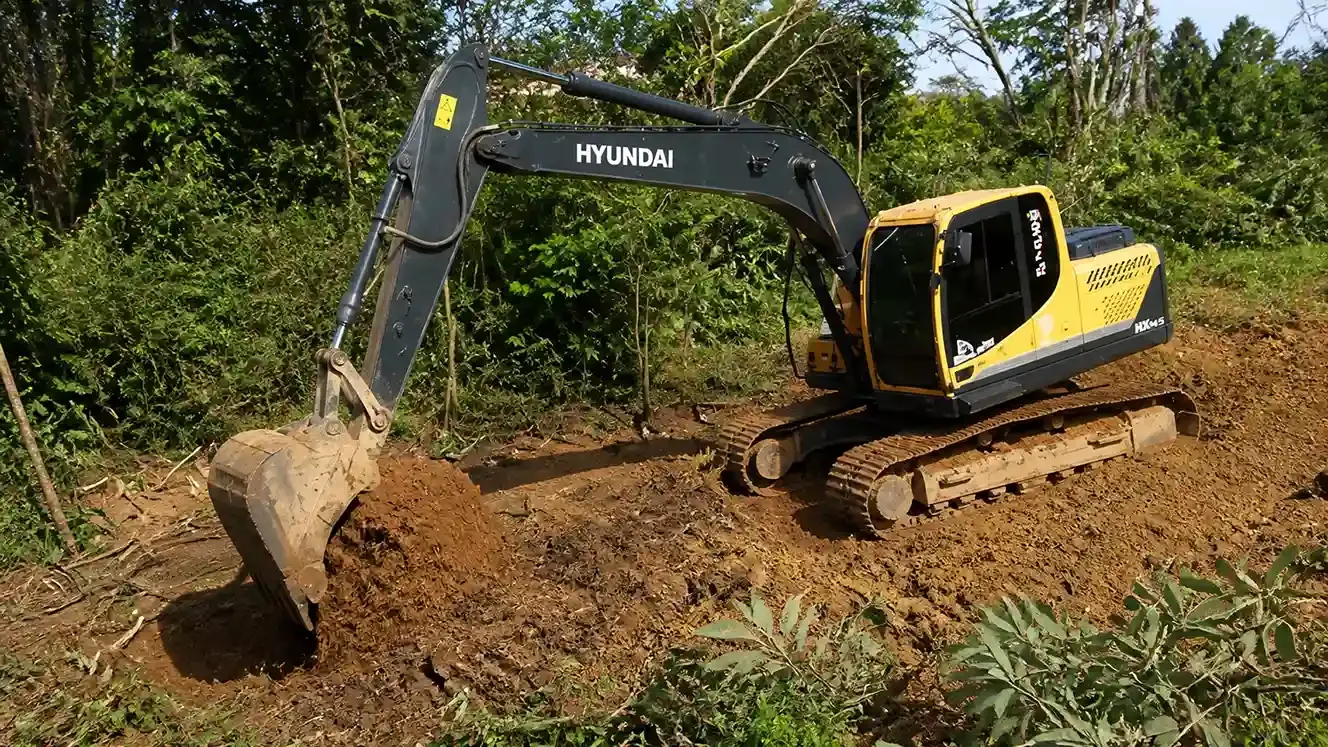
Once the site is clear, the next major phase of site prep is grading and excavation, the process of shaping the land to the correct slope, elevation, and profile for construction.
Grading is about controlling how water moves across your property. In a region like Central Florida, where seasonal rain is heavy and drainage can make or break a build, land grading and excavation done correctly means the difference between a stable foundation and one that shifts or floods over time.
Rough grading is done first: heavy equipment moves soil to establish the general shape of the site. Final grading comes later, refining the surface so it meets the precise elevations required for foundations, pads, driveways, or landscaping.
Excavation is used when the project requires digging below grade, for foundations, utility trenches, pool installations, or drainage infrastructure. The soil removed during excavation is either redistributed across the site for grading purposes or hauled away, depending on the project.
These aren't steps that happen in isolation. Land grading and excavation are closely coordinated during site prep, and the order and depth of each depends entirely on the project's engineering requirements and the characteristics of the land.
Drainage and Erosion Control: Protecting the Work
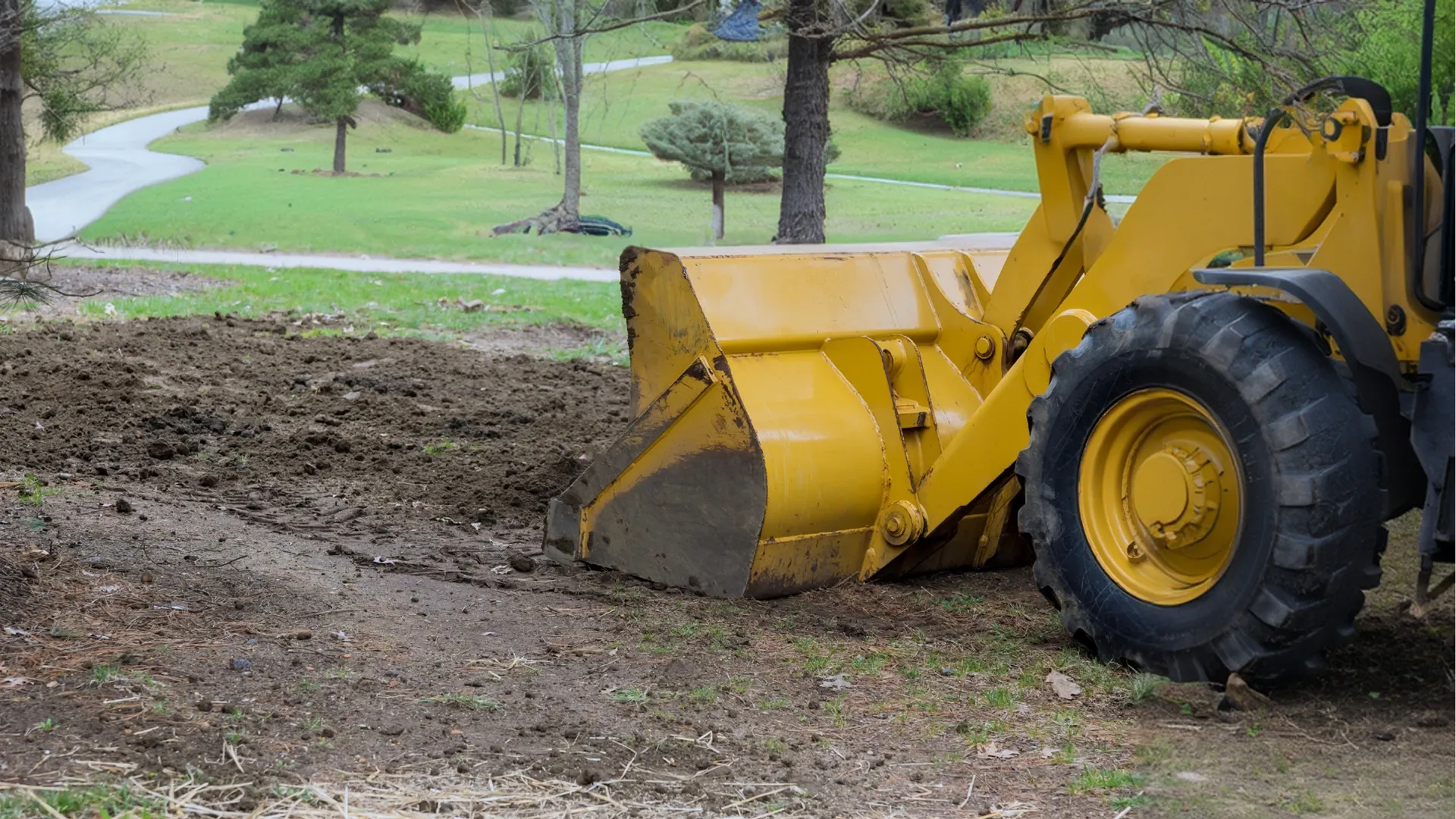
One of the most overlooked elements of site prep in Florida is drainage management. After clearing and grading, the land is temporarily more vulnerable to erosion, exposed soil can shift with rain, and improperly graded surfaces will pool water in places that create problems during and after construction.
Drainage and erosion control in Florida projects involves a combination of physical barriers, slope management, and in some cases the installation of culverts, French drains, or sediment fences. These measures protect both the site and neighboring properties during the construction phase.
Silt fences and sediment barriers are often required by local municipalities during active site prep work. These aren't optional extras, they're part of keeping the project compliant and the site stable.
Proper drainage built into the site prep phase also reduces the amount of corrective work needed later. Addressing water flow early means your contractor doesn't arrive to a saturated, unstable site after the first rain.
In flat terrain like much of Central Florida, water doesn't have a natural slope to follow. That makes thoughtful drainage and erosion control during site prep even more critical here than in other parts of the country.
Frequently Asked Questions About Site Prep
What does site prep include?
Site prep typically covers land clearing (removing trees, stumps, brush, and debris), grading (shaping the land for proper drainage and elevation), excavation (digging for foundations or drainage), compaction (stabilizing the soil base), and erosion controls. The exact scope depends on the size of the land and what will be built on it.
Do I need permits for site prep work in Florida?
Permit requirements vary by county and project type. Some municipalities require permits for significant clearing or grading, particularly near wetlands or above a certain acreage. If your project is tied to a building permit, your general contractor typically coordinates the permitting process. When in doubt, ask your earthwork contractor, they work with local regulations regularly and can point you in the right direction.
How long does site prep take?
Timeline varies significantly based on lot size, vegetation density, soil conditions, and project scope. A residential lot in central Florida can take anywhere from a day or two for basic clearing to several weeks for larger, more complex projects involving drainage systems or significant grading. The most accurate way to understand your timeline is through an on-site evaluation before work begins.
Is site prep different for residential vs. commercial projects?
The core process is similar, clear, grade, excavate, compact, but the scale, equipment, and regulatory requirements often differ. Commercial site prep projects typically involve more coordination with engineers and municipal inspectors, larger areas to prepare, and more complex drainage infrastructure. Residential site prep is more straightforward, but still requires the same attention to drainage and soil stability.
What site preparation contractor serves Plant City and Central Florida?
Level One Grading is based in Plant City, FL and serves Hillsborough, Polk, Pasco, and Pinellas counties. The team handles all phases of site prep, from land clearing to final grading and drainage for residential, commercial, and industrial projects across Central Florida.
Conclusion: Site Prep Sets the Foundation for Everything That Follows
Site prep isn't glamorous, but it's the step that determines how well everything built on top of it will hold up. Rushed or incomplete site prep shows up later, in drainage issues, foundation problems, and delays that cost more to fix than they would have cost to prevent.
In Central Florida, the combination of sandy soils, high water tables, and intense seasonal rain makes thorough site prep even more important than in other regions. Getting the land properly cleared, graded, and drained before construction begins is what separates a smooth build from a costly one.
If you're planning a project in Hillsborough, Polk, Pasco, or Pinellas County and want to understand what your land needs before construction starts, Level One Grading offers on-site evaluations. You can reach the team at levelonegrading.com or by calling (813) 842-4840.

About Miguel Orozco
Miguel Orozco is the President of Level One Grading, a trusted Central Florida grading and excavation company, delivering precise earthwork solutions and dependable results for residential and commercial projects since its founding.