
How to Level Land Before Building in St. Pete, FL
Need land grading in St. Petersburg, FL? Learn when your lot needs leveling, what the process looks like, and how to avoid costly drainage mistakes.

Miguel Orozco

If you're planning a construction project in St. Petersburg, Florida, one of the first questions you need to answer isn't about permits or contractors — it's about the ground beneath your feet. Before a single foundation is poured or a slab is set, the land itself has to be ready. And in Pinellas County, where sandy soils, heavy rainfall, and a flat coastal peninsula create unique challenges, knowing how to level land before you build can be the difference between a solid structure and an expensive disaster.
This guide breaks down exactly what land leveling is, why it matters in St. Pete, and how to tell whether your property needs it — before construction begins.
What Does It Mean to Level Land?
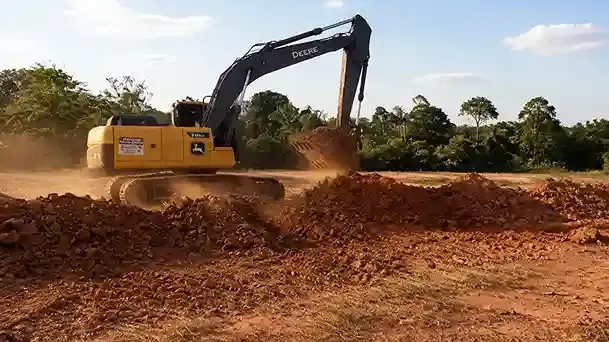
Land leveling, also called land grading, is the process of reshaping the surface of a property to create a stable, properly sloped base for construction. It involves cutting high spots, filling low areas, and compacting the soil so the finished surface drains correctly and supports structures without shifting.
There are two main stages:
- Rough grading — handles the bulk earthmoving: cut, fill, and coarse shaping
- Final grading — fine-tunes surface slope and prepares the pad for construction, drainage systems, or landscaping
Both stages are critical. Both require the right equipment and expertise to execute correctly.
In St. Petersburg and across the Tampa Bay region, site preparation and land grading aren't optional for most builds. The combination of Florida's sandy soils, seasonal flooding, and the flat topography of the Pinellas peninsula makes proper lot grading essential for any residential or commercial project.
Why Land Leveling Matters More in Florida
Florida's geography creates specific challenges that builders in other states rarely face. St. Petersburg sits on a low-lying peninsula with a water table that rises dramatically during the rainy season — typically June through September. Heavy downpours aren't occasional events. They're routine.
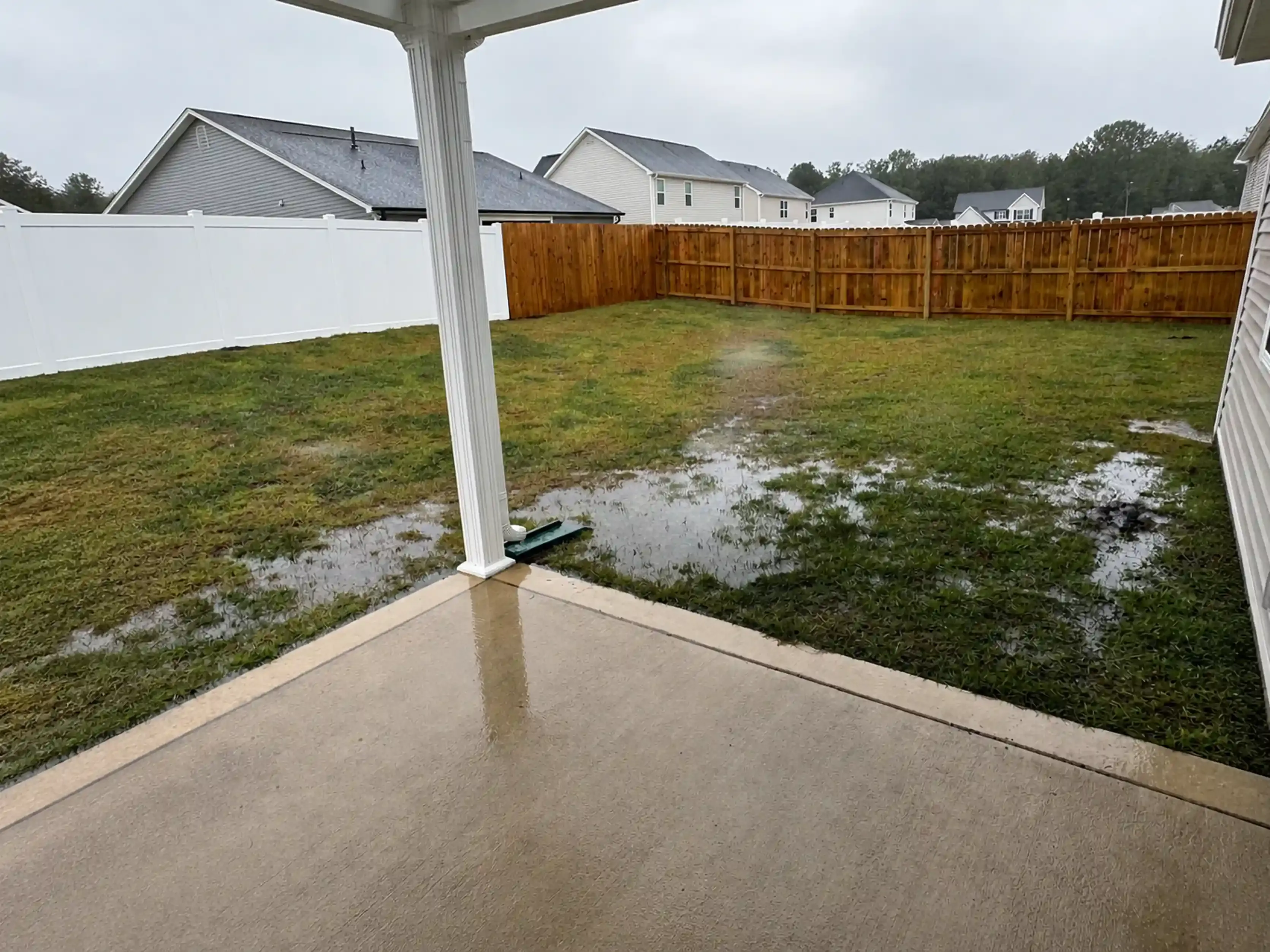
When water has no clear path away from a structure, it pools near the foundation. Over time, that standing water saturates the soil, causes erosion, undermines concrete slabs, and creates ideal conditions for mold, structural settling, and foundation cracking. These are expensive problems. In most cases, they're also entirely preventable with proper grading and drainage work before construction begins.
Beyond drainage, Florida's sandy and clay-heavy soils are prone to shifting when not properly compacted. Building on loose, uneven ground without stabilizing the sub-base leads to uneven settling of foundations and slabs — damage that can show up years after construction is complete.
For land grading contractors in the St. Petersburg and Pinellas County area, this is day-one knowledge. For property owners, it's essential to understand before breaking ground.
Signs Your St. Pete Property Needs Land Leveling
Not every lot requires the same amount of work, but most undeveloped or previously cleared lots in the St. Petersburg area show at least one sign that grading is needed. Here are the most common:
Standing water after rain. If you walk your lot after a storm and notice water pooling, the land isn't draining properly. The slope may be too flat, aimed in the wrong direction, or there are low spots that need to be filled and compacted before construction can begin.
Visible slopes or uneven terrain. A lot with visible dips, humps, or an irregular surface will require grading to create a level pad. Even gentle irregularities that look minor can cause major drainage and foundation problems once a structure is in place.
Erosion patterns. Look for areas where soil has been washed away — especially after rain. Gully formation, exposed roots, and soil channels are signs that water is running uncontrolled across the surface. That erosion will continue to undermine any structure built on top.
Soft or spongy soil underfoot. Near the water table or adjacent to retention areas, soil may feel unstable after rain. Soft, poorly compacted ground is not suitable for construction without significant work to stabilize the sub-base.
Previous construction or fill. If the lot has been previously developed, demolished, or filled with imported soil, that fill material may not have been properly compacted. Uncompacted fill settles unevenly over time and can cause slabs and foundations to crack. A professional assessment is essential before building on any lot with a fill history.
Proximity to flood-prone areas. St. Petersburg has several low-lying neighborhoods and areas near Tampa Bay and Boca Ciega Bay that are particularly susceptible to flooding. Properties in or near these zones often need lot grading that raises the building pad elevation to meet FEMA flood zone requirements and local Pinellas County building codes.
What Happens If You Skip This Step?
Skipping land leveling to save time or cut costs is one of the most common — and most expensive — mistakes property owners make in Florida. The consequences show up fast.
Foundations built on improperly graded lots begin to crack and settle unevenly within the first few years. Drainage problems cause water to infiltrate slabs, erode soil from beneath concrete, and create conditions for mold and wood rot. Repairs cost far more than the original grading work would have.
Improperly graded lots also often fail inspections during construction, causing project delays and requiring remediation before work can continue. The City of St. Petersburg and Pinellas County have specific requirements around site drainage and elevation — and a lot that hasn't been properly graded to meet those standards will not pass inspection.
How the Land Leveling Process Works
A professional land grading project in St. Pete typically starts with a site assessment. An experienced contractor evaluates the existing topography, soil conditions, drainage patterns, and any existing structures or utilities. This assessment informs the grading plan: where material needs to be cut, where fill needs to be added, and what slope the finished surface should have to ensure proper drainage away from the structure.
Modern excavation and grading contractors use GPS-guided precision equipment to execute that plan with a level of accuracy that manual methods can't match. GPS grading technology ensures the finished elevation is consistent across the entire pad and meets the exact specifications required for construction and permitting.
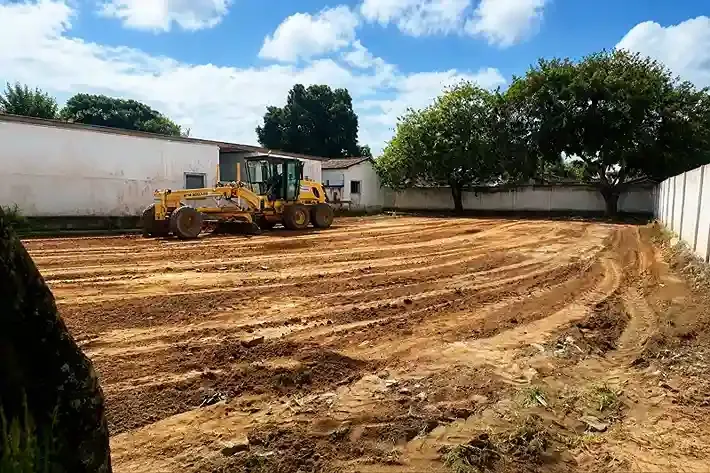
After rough grading is complete, the soil is compacted using heavy equipment to eliminate air pockets and create a dense, stable sub-base. Final grading then addresses the finer details of slope and surface preparation before construction begins.
Frequently Asked Questions About Land Leveling in St. Petersburg, FL
How much does land grading cost in St. Petersburg, FL?
The cost of land grading in Pinellas County depends on the size of the lot, the amount of material that needs to be moved, and the complexity of the drainage solution required. Most residential lots in the St. Pete area range from a few hundred to several thousand dollars for grading work. The best way to get an accurate number is a professional site assessment and quote.
How long does land leveling take before construction?
For a typical residential lot in St. Petersburg, rough grading and compaction can often be completed in one to three days, depending on lot size and conditions. More complex sites with significant fill requirements, drainage challenges, or large footage may take longer. Your contractor will outline a timeline during the assessment.
Do I need a permit for land grading in St. Petersburg?
In many cases, yes. The City of St. Petersburg and Pinellas County both have requirements around site grading, drainage, and elevation — especially for lots in or near FEMA flood zones. A licensed land grading contractor in St. Pete will be familiar with local permitting requirements and can help ensure your project meets all applicable codes before construction begins.
What's the difference between land grading and excavation?
Land grading refers to reshaping the surface elevation of a site for drainage and structural support. Excavation refers to digging into the ground — typically to prepare for foundations, drainage systems, or underground utilities. Both are often part of the same site preparation project, and many excavation contractors in St. Petersburg, FL offer both services.
Can land grading fix drainage problems on an existing property?
Yes. Grading and drainage solutions can be applied to both new construction sites and existing developed properties. If your yard floods regularly or water consistently pools near your foundation, a grading contractor can assess the site and recommend corrective grading or drainage improvements.
Ready to Grade Your St. Pete Property?
If you're planning any kind of construction in St. Petersburg — from a new home build to a commercial pad, a detached garage to a pool — consult with a land grading professional before breaking ground. The assessment is typically quick, and the grading plan can be incorporated into your overall project timeline without significant delays.
Level One Grading serves the St. Petersburg area and surrounding Pinellas County with professional land grading, site preparation, excavation, and drainage solutions. With GPS precision technology, a well-maintained fleet of heavy equipment, and a track record built on consistent results, Level One Grading delivers the kind of site preparation in St. Pete, FL that gives your project a solid foundation from day one.
Contact Level One Grading today to schedule your site assessment and get a competitive quote for your St. Petersburg project.

About Miguel Orozco
Miguel Orozco is the President of Level One Grading, a trusted Central Florida grading and excavation company, delivering precise earthwork solutions and dependable results for residential and commercial projects since its founding.