
How to Fix a Sloped Yard | Yard Grading in Plant City, FL
Learn how to fix a sloped yard with professional yard grading and landscape grading techniques. Serving Plant City, FL. Get a free estimate today!

Miguel Orozco

If you live in Plant City, Florida, you've probably noticed what happens after a heavy rainstorm: water pools near your foundation, muddy runoff floods your driveway, and low spots in your yard turn into small ponds. These are all classic signs that your yard needs professional yard grading, and ignoring them can lead to serious structural damage and costly repairs down the road.
The good news is that fixing a sloped or uneven yard is entirely solvable. In this guide, you'll learn exactly what yard grading involves, why landscape grading matters in Florida's unique soil and climate conditions, and how to determine whether your property needs a professional grading level correction.
What Is Yard Grading and Why Does It Matter?
Yard grading is the process of reshaping the slope and elevation of your land so that water drains away from structures and toward designated outlets — drainage ditches, retention areas, or the street. A properly graded yard protects your home's foundation, prevents erosion, and creates a safe, usable outdoor space.
In Plant City, FL, yard grading is especially critical. Hillsborough County sits in a region with sandy, well-drained soils in some areas and heavy clay-based soils in others. During Florida's rainy season — which typically runs from June through September — properties without proper yard grading are extremely vulnerable to flooding, foundation settlement, and soil erosion.
Beyond storm protection, good yard grading is also the foundation for everything else you want to do with your property: installing a patio, adding a pool, building a deck, or even just growing a healthy lawn. Without the right grading level in place, none of those improvements will perform the way they should.
Signs Your Yard Needs Landscape Grading
Not every homeowner knows what to look for. Here are the most common warning signs that your property requires landscape grading:
- Water pooling near your foundation. If you notice standing water within 6 feet of your home after rain, your yard is likely graded toward the house instead of away from it. Over time, this leads to foundation cracks, basement moisture intrusion, and expensive structural repairs.
- Erosion ruts and bare soil patches. When water moves across your yard without a controlled path, it carves channels through your topsoil. These ruts are both an eyesore and a sign that landscape grading needs to be corrected.
- Uneven lawn areas. If your grass has dips, bumps, or low spots that collect water and turn soggy after rain, these are signs of poor grading level across your property.
- Muddy runoff reaching your driveway or street. Water should be directed through proper drainage channels — not across concrete surfaces where it deposits sediment and creates staining.
- Water intrusion inside the home. Damp walls, musty smells, or wet floors in garages or lower levels often trace back directly to incorrect yard grading around the perimeter.
If you're seeing any of these signs at your Plant City, FL property, it's time to take yard grading seriously.
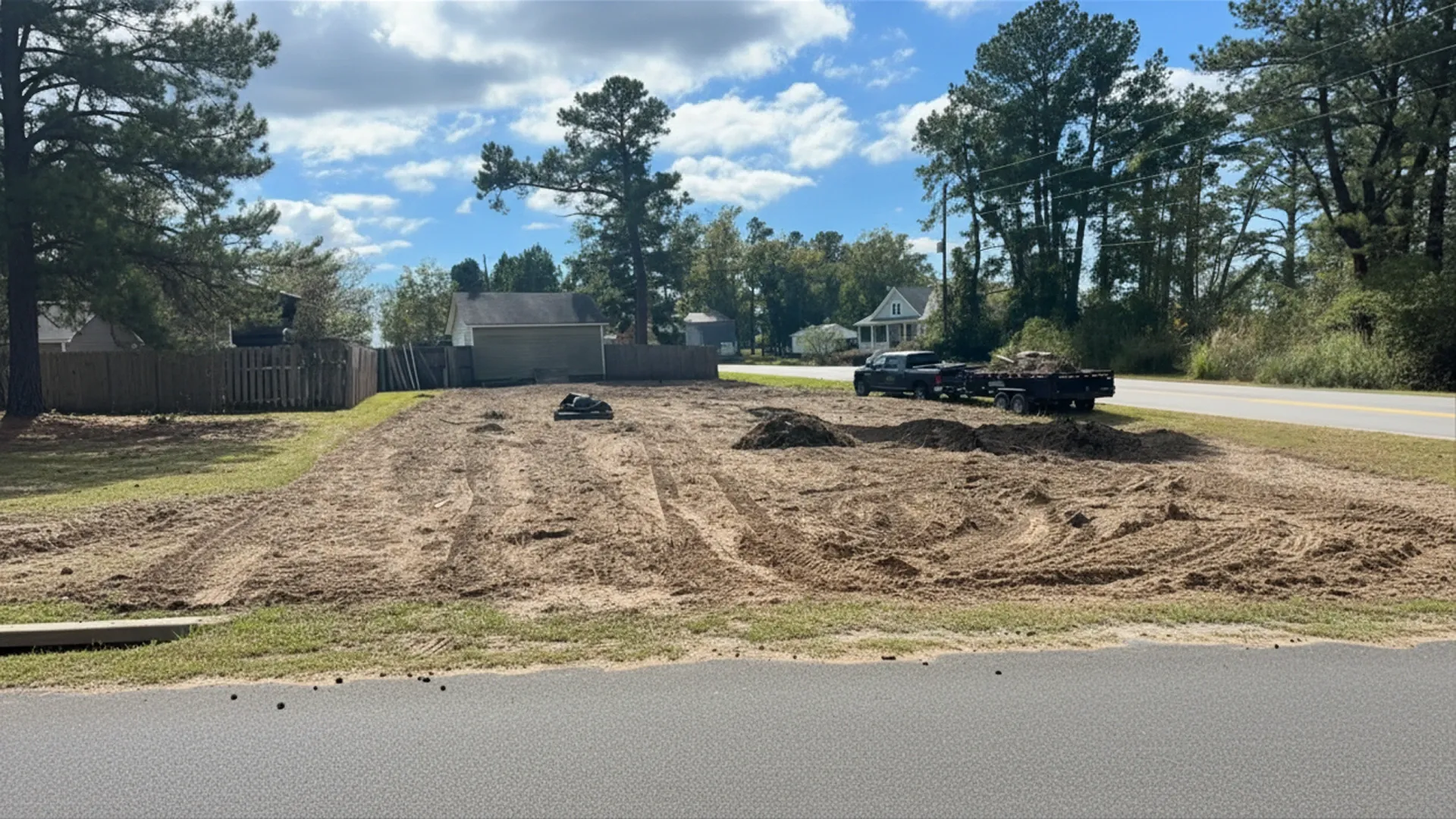
How Landscape Grading Works: The Process Step by Step
Professional landscape grading is more than just moving dirt around. It's a precise engineering process that considers your lot's natural topography, your home's foundation height, drainage patterns, and local stormwater requirements. Here's what the process typically looks like:
Step 1: Site Assessment and Elevation Survey
Before any landscape grading begins, a qualified contractor surveys your property to understand current elevations and identify problem areas. In Plant City, this often involves checking how your lot relates to neighboring properties and local drainage infrastructure.
Modern contractors like Level One Grading use GPS-guided laser grading technology to map elevation changes with extreme precision — often within fractions of an inch. This accuracy is what separates professional yard grading from DIY attempts that end up creating new problems.
Step 2: Establishing the Correct Grading Level
The standard rule for residential yard grading is that the ground should slope away from your home at a minimum of 6 inches over the first 10 feet. This grading level ensures water consistently drains away from your foundation rather than pooling against it.
For larger properties or lots with significant elevation changes, a landscape grading plan may involve multiple drainage swales, retention areas, or French drain installations to manage water flow across the entire site.
Step 3: Earthwork and Soil Redistribution
Once the plan is in place, yard grading crews bring in the heavy equipment: excavators, skid steers, and laser-guided graders. Excess soil from high spots is redistributed to low areas, and in some cases, additional fill material is brought in to raise sections of the property.
In Hillsborough County, all earthwork must comply with local stormwater ordinances, particularly for projects that disturb a significant amount of land. A licensed grading contractor will handle all permitting requirements.
Step 4: Compaction and Final Grading Level Check
After soil is moved and shaped, it must be properly compacted to prevent settling. If compaction is skipped, your yard will develop new low spots as the loose soil shifts over time — undoing all the work that was done.
A final grading level check ensures every section of the yard meets the designed slope specifications before the project is closed out.
Step 5: Erosion Control and Restoration
The last step in any professional landscape grading project is erosion control. This typically includes installing sod, hydroseeding, or laying erosion control blankets on freshly graded areas to prevent the new topography from washing away before vegetation establishes.
Yard Grading vs. DIY: What Plant City Homeowners Should Know
It's tempting to rent a tiller and try to fix a sloped yard yourself. But yard grading is one of those projects where DIY attempts frequently make things worse. Here's why:
- Florida soil conditions are unpredictable. Plant City sits in an area where sandy fill soils mix with clay layers. Without the right knowledge, adding fill in the wrong location can block subsurface drainage and create new flooding problems.
- Improper grading level changes can violate local codes. Hillsborough County has specific stormwater management requirements. Changing how water drains off your property can affect neighboring lots and may require permits.
- Equipment matters. Achieving a precise grading level across a full residential lot requires laser-guided grading equipment — not a rented mini-excavator and a garden rake.
- Compaction is critical. Loosely placed soil settles dramatically over time. Professional yard grading includes compaction testing and procedures that most homeowners can't replicate without specialized equipment.
Hiring a licensed landscape grading contractor in Plant City ensures the job is done right the first time, with the proper permits, the right equipment, and a finished result that protects your property for years to come.
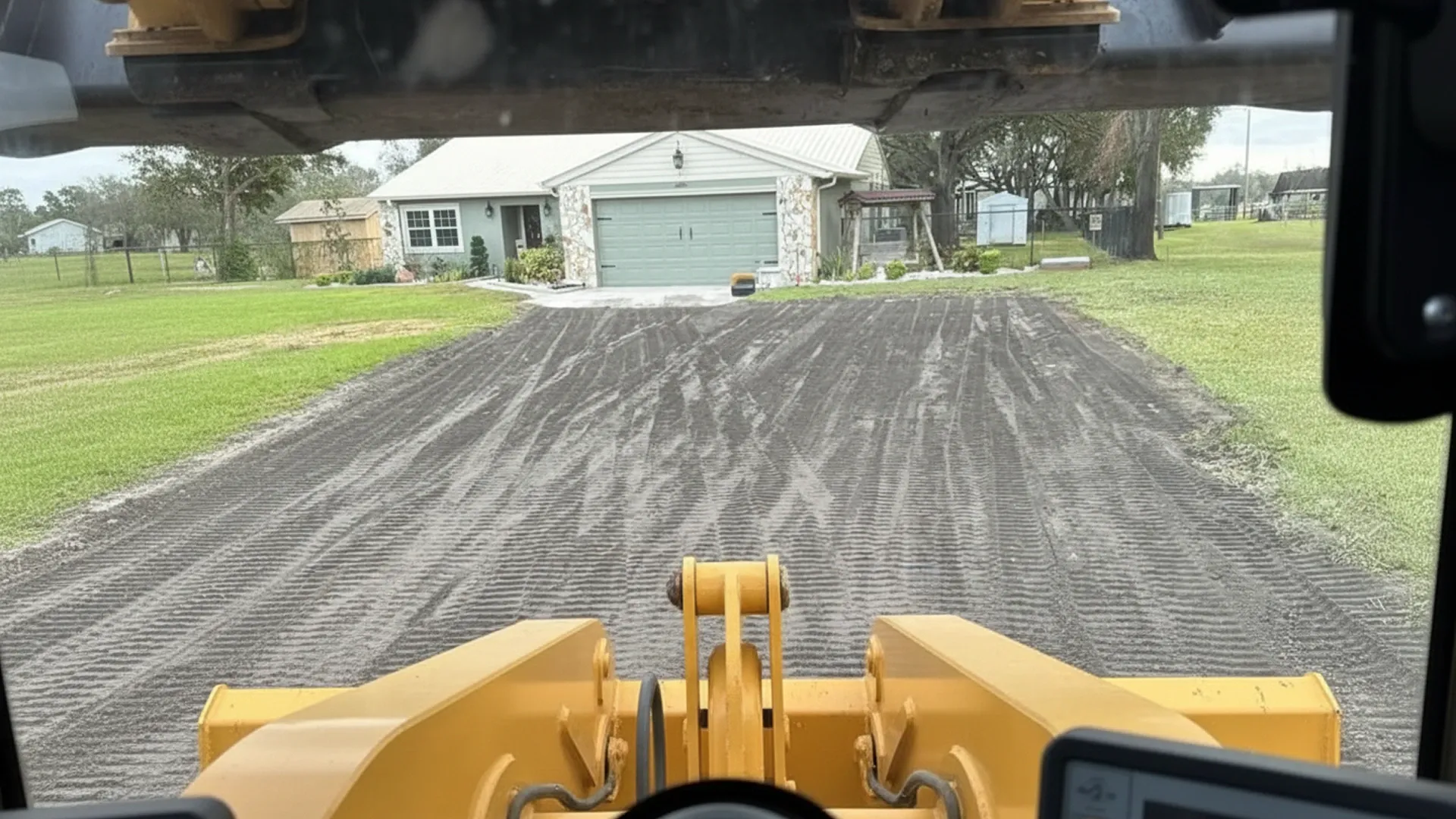
How Much Does Yard Grading Cost in Plant City, FL?
The cost of yard grading varies significantly depending on the size of the property, the severity of the elevation issues, and whether fill material needs to be imported or exported. For most residential lots in Plant City, landscape grading projects fall in the range of a few thousand dollars for smaller corrections to higher amounts for full-lot regrading with drainage systems.
The best way to get an accurate number is to schedule a free on-site estimate. A professional contractor can walk your property, identify the specific grading level corrections needed, and give you a transparent, itemized quote.
Why Choose Level One Grading for Yard Grading in Plant City, FL?
Level One Grading is a Plant City–based earthwork contractor specializing in precision yard grading, landscape grading, excavation, land clearing, and site preparation. Serving Hillsborough, Polk, Pasco, and Pinellas counties, Level One Grading brings GPS-guided laser grading technology to every residential and commercial project.
With dozens of five-star reviews from local homeowners and contractors, Level One Grading has built a reputation for showing up on time, communicating clearly, and delivering results that stand up to Florida's intense rain seasons.
Whether you have a simple drainage issue near your foundation or a large lot that needs complete regrading before construction begins, Level One Grading has the equipment, experience, and local knowledge to get the job done right.
Frequently Asked Questions About Yard Grading
How do I know if my yard grading is causing foundation problems? The most common signs are water stains on exterior walls near the foundation, cracks in concrete near the home's perimeter, and standing water within 6 feet of the structure after rain. A professional yard grading assessment can confirm whether regrading is needed.
Do I need a permit for landscape grading in Plant City, FL? Depending on the scope of work, permits may be required. Projects that significantly alter drainage patterns or disturb large areas of land typically require a permit from Hillsborough County. A licensed landscape grading contractor handles this process for you.
How long does yard grading take? Most residential yard grading projects in Plant City are completed in one to three days, depending on lot size and complexity. Larger commercial or land development projects may take longer.
What's the difference between yard grading and landscaping?
Yard grading is about changing the elevation and slope of the ground to control water drainage. Landscaping refers to aesthetic improvements like planting, mulching, and hardscaping. Proper grading level correction should always come before landscaping work begins.
Can landscape grading fix my wet basement? In many cases, yes. If the source of the moisture is surface water running toward your home, correcting the grading level around your foundation can significantly reduce or eliminate basement water intrusion.
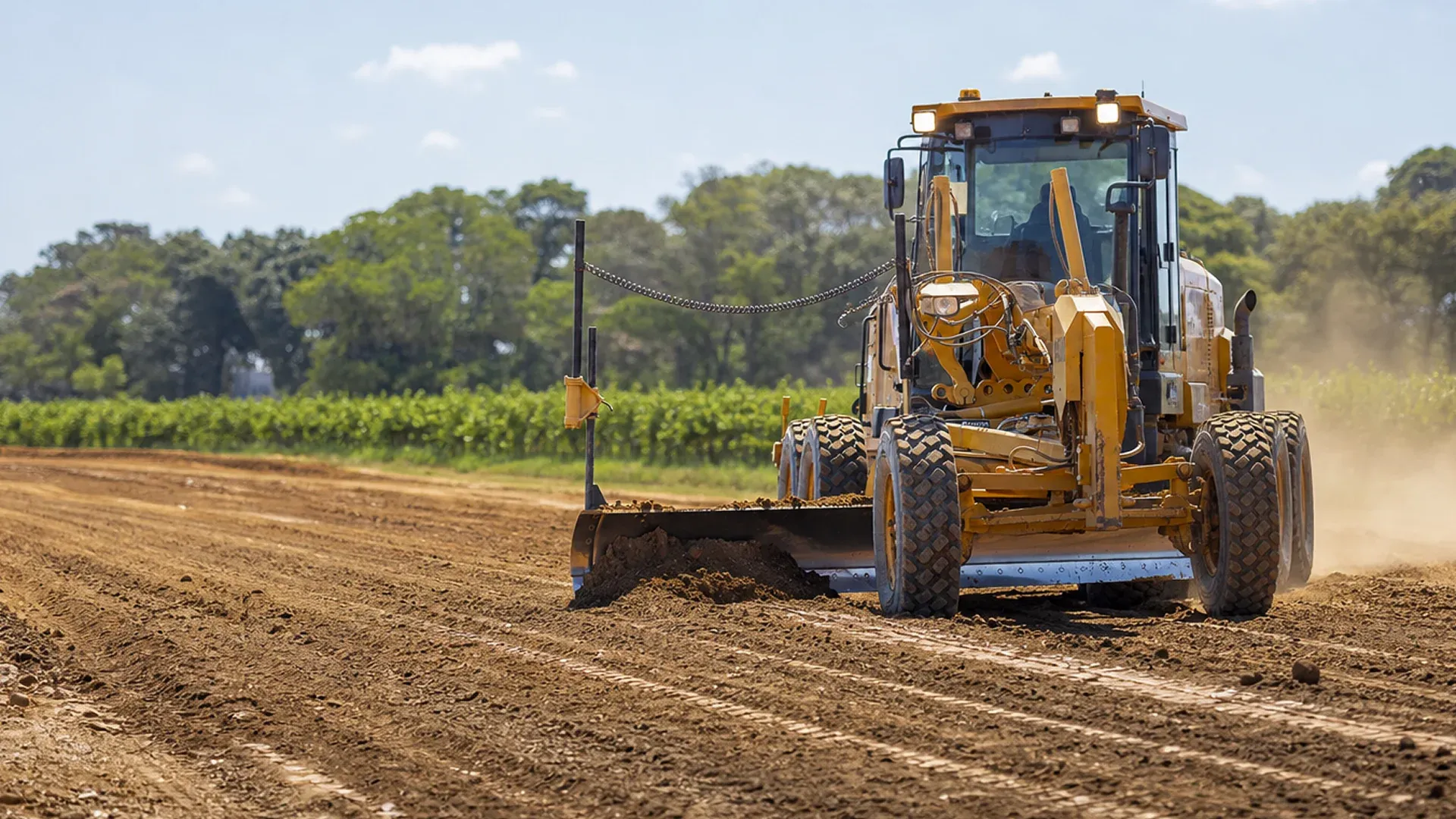
Ready to Fix Your Sloped Yard? Contact Level One Grading Today
If you're dealing with drainage problems, foundation concerns, or an uneven yard at your Plant City, FL property, don't wait for the next rainy season to make things worse. Level One Grading offers free on-site estimates for yard grading and landscape grading projects throughout Hillsborough County and Central Florida.
Call Level One Grading today or visit levelonegrading.com to schedule your free estimate.
Your property deserves a solid, level foundation — and that starts with getting the grading level right.
Level One Grading | Plant City, FL | Serving Hillsborough, Polk, Pasco & Pinellas Counties
Specializing in yard grading, landscape grading, excavation, land clearing, and site preparation.

About Miguel Orozco
Miguel Orozco is the President of Level One Grading, a trusted Central Florida grading and excavation company, delivering precise earthwork solutions and dependable results for residential and commercial projects since its founding.