
Excavation Contractor Central Florida: What to Expect
Hiring an excavation contractor in Central Florida? Learn what the process involves, from land clearing to site prep, and what to look for in a contractor.

Miguel Orozco

Whether you’re building a custom home, developing a commercial property, or preparing a raw piece of land, hiring the right excavation contractor in Central Florida is one of the most critical decisions you’ll make before breaking ground. Get it right, and the rest of your project has a solid foundation, literally. Get it wrong, and drainage issues, uneven grades, and structural problems can follow you through the entire build.
This guide walks you through exactly what excavation and earthwork involves, what the site preparation process looks like in Florida, and what to look for when choosing an excavation contractor in Hillsborough, Polk, Pasco, or Pinellas County.
What Land Clearing in Plant City, FL Actually Involves
Before any grading or excavation can begin, the land itself needs to be cleared. Land clearing in Plant City, FL and across Central Florida, means more than just cutting down trees. It’s a systematic process that prepares a site for everything that comes next.
Vegetation removal. Trees, shrubs, brush, and ground cover are removed using heavy equipment including bulldozers, skid steers, and forestry mulchers. Depending on the density of the vegetation, this phase alone can take anywhere from a few hours to several days.
Stump grinding and removal. Tree stumps left underground can cause serious problems during and after construction, from equipment damage to long-term soil instability as the wood decomposes. Proper land clearing includes full stump removal or grinding below grade.
Debris disposal. Cleared material needs to be hauled off or, in some cases, ground into mulch and redistributed on-site. A reputable contractor will handle disposal in compliance with local regulations.
Grubbing. This is the removal of roots, rocks, and organic material from the soil, a step that’s easy to overlook but essential for soil stability, especially in Florida where the ground composition can vary significantly from one parcel to the next.
Florida’s soil is notoriously varied. Sandy soil drains fast but lacks bearing capacity. Clay-heavy soil holds water and can become unstable when saturated. An experienced contractor understands how to work with the specific soil conditions on your site, not just apply a one-size-fits-all approach.
Site Preparation for New Construction in Florida
Once the land is cleared, the real work of site preparation for new construction in Florida begins. This phase is what determines whether your structure will sit on a stable, well-drained foundation, or become a drainage headache for years to come.
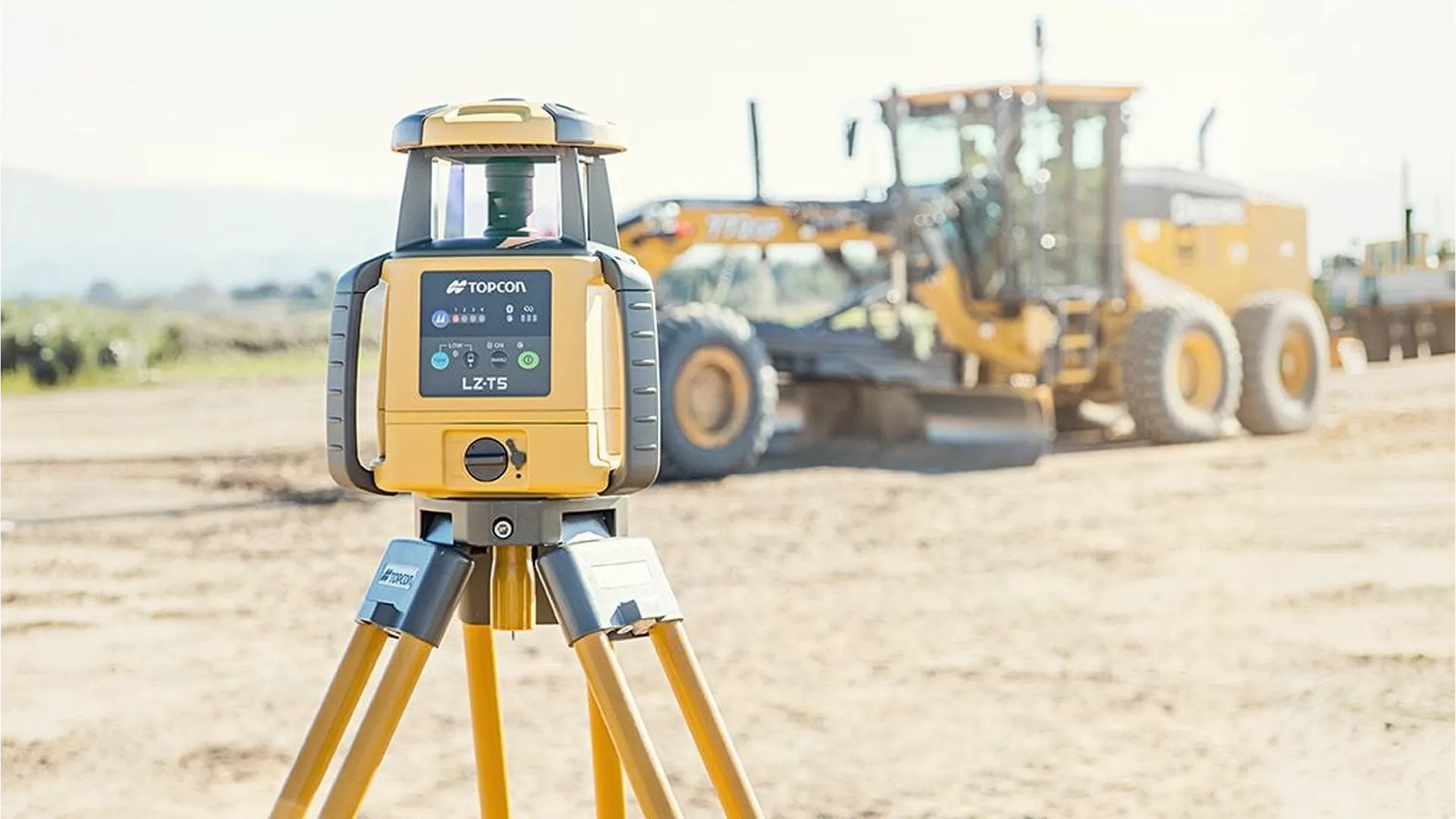
Rough grading. Heavy equipment is used to shape the land at a macro level, moving large volumes of dirt to establish the general elevations and slopes required by the site plan. This is where GPS-guided grading technology makes a significant difference. GPS and laser grading systems allow contractors to hit precise elevation targets across large areas, reducing human error and rework.
Drainage planning and execution. Florida’s rainfall is intense and seasonal. Proper drainage isn’t optional, it’s required by code and essential for protecting your structure. Site prep includes creating swales, retention areas, and grading slopes that direct water away from foundations and toward appropriate drainage outlets.
Fill and compaction. In many Central Florida sites, fill dirt needs to be brought in to raise the grade or stabilize soft spots. Fill must be properly compacted in layers, a process verified by compaction testing, to ensure the ground can support the structure above it.
Fine grading. After rough grading and compaction, fine grading brings the site to the precise elevations specified in the engineering plans. This is the finishing pass before concrete, utilities, or landscaping work begins.
Site preparation is not a step to rush or cut corners on. Drainage problems discovered after construction is complete are expensive and disruptive to fix. Getting it right at the beginning is always the better path.
Land Grading in Hillsborough County: What the Process Looks Like
Hillsborough County has specific regulations that govern excavation and grading work, including permit requirements, erosion control measures, and drainage standards. Understanding what land grading in Hillsborough County involves helps you set realistic expectations for your project timeline and process.
Permits and approvals. Most grading projects in Hillsborough County require permits from the county’s Public Works or Development Services department. Environmental reviews may also apply depending on the proximity to wetlands, water bodies, or protected areas. A licensed contractor handles permit applications and ensures compliance with all local requirements.
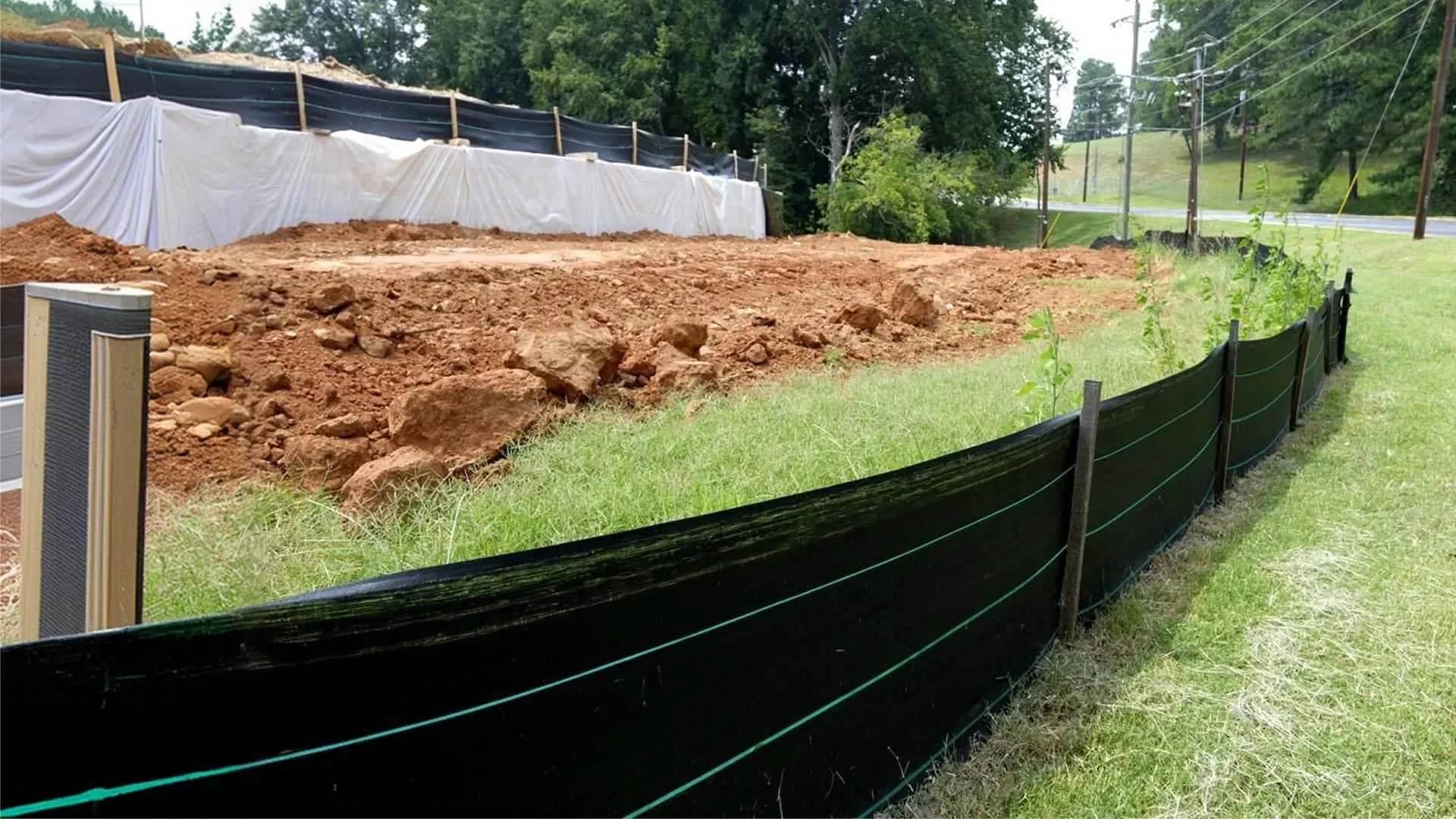
Erosion and sediment control. Florida law requires that active construction sites implement erosion control measures to prevent sediment runoff into storm drains and waterways. This typically includes silt fencing, straw wattles, and turbidity barriers near water features. Your contractor is responsible for installing and maintaining these measures throughout the project.
Inspection milestones. Grading projects in Hillsborough County involve multiple inspection points, before work begins, during grading and fill operations, and after completion. Your contractor coordinates these inspections with the county.
Working with wetlands and setbacks. Central Florida has significant wetland coverage. Many parcels in Hillsborough, Pasco, and Polk counties include wetland buffers that restrict what can be graded or disturbed. An experienced contractor performs a site assessment early in the process to identify any environmental constraints before they become costly surprises.
How to Prepare Land for Construction in Florida: The Full Sequence
For property owners who are newer to the development process, here’s a simplified overview of how to prepare land for construction in Florida, from raw parcel to ready-to-build site:
- Survey and soil testing — Establish exact boundaries, existing elevations, and soil bearing capacity
- Environmental assessment — Identify wetlands, protected species habitat, and any restrictions
- Engineering and permitting — Site plan development, drainage engineering, permit applications
- Land clearing — Vegetation removal, grubbing, stump removal
- Rough grading — Mass earthmoving to establish general site elevations
- Fill and compaction — Import fill if needed, compact in lifts, test for density
- Utility rough-in — Underground utilities (water, sewer, electric conduit) are often installed at this stage
- Fine grading — Final precision grading to engineered specs
- Inspections and sign-off — County inspections before vertical construction begins
Each step in this sequence depends on the one before it. Skipping ahead or working out of order creates problems that are difficult and expensive to correct later.
What to Look for in an Excavation Contractor
Not all excavation contractors in Central Florida are the same. Here’s what distinguishes a reliable, professional contractor from one that could leave you with problems mid-project:
Licensing and insurance. Florida requires contractors performing excavation and earthwork to be properly licensed. Always verify that your contractor holds a current state license and carries general liability and workers’ compensation insurance.
Experience with Florida-specific conditions. Soil types, drainage requirements, wetland regulations, and hurricane-season considerations are all specific to Florida. A contractor who works primarily in Florida will handle these factors more fluently than one who doesn’t.
GPS and laser grading technology. Modern grading equipment guided by GPS or laser systems produces more accurate results with less rework. Ask your contractor whether they use precision grading technology.
Clear communication and documentation. A professional contractor provides written contracts, communicates timelines clearly, and keeps you informed as the project progresses. Vague estimates and verbal-only agreements are red flags.
References and past work. Ask to see examples of completed projects similar to yours. Reviews from past clients, particularly those with comparable project types, are a reliable indicator of what to expect.
Frequently Asked Questions
How long does excavation and site preparation take in Florida?
It depends on the size of the parcel, the density of vegetation, the amount of earthmoving required, and the permitting timeline. A straightforward residential lot in Hillsborough County might take one to two weeks from clearing to fine grade. Larger commercial sites or parcels with environmental constraints can take significantly longer. Your contractor should give you a realistic timeline based on the specific conditions of your site.
Do I need a permit for grading or excavation in Central Florida?
In most cases, yes. Hillsborough, Pasco, Polk, and Pinellas counties all require permits for grading and excavation work above a certain scope. The specific thresholds and requirements vary by municipality. A licensed contractor handles the permit process on your behalf and ensures the work passes all required inspections.
What is the difference between grading and excavation?
Excavation refers to the process of digging or removing earth, typically for foundations, utility trenches, or drainage features. Grading refers to shaping the land surface to achieve specific elevations and slopes. In practice, most site preparation projects involve both: excavation to remove material or create depth, and grading to achieve the final surface profile.
Can I start building as soon as grading is done?
Not immediately. After grading is complete, your site typically needs to pass county inspections before vertical construction can begin. Utility rough-in work also usually happens after grading and before the foundation is poured. Your general contractor and excavation contractor should coordinate closely on sequencing to avoid delays.
Conclusion
Hiring an excavation contractor in Central Florida is about more than moving dirt. It’s about setting up your entire project for success, from drainage to foundation stability to regulatory compliance. Understanding what the process involves, what’s required at each stage, and what to look for in a contractor puts you in a much stronger position as a property owner or developer.
The earthwork phase of any construction project is foundational in every sense of the word. When it’s done right, everything that follows is easier. When it’s rushed or poorly executed, the consequences show up throughout the project and sometimes long after construction is complete.
Ready to get started? Contact Level One Grading: (813) 842-4840 for a free site evaluation and find out what your parcel needs to go from raw land to ready-to-build.

About Miguel Orozco
Miguel Orozco is the President of Level One Grading, a trusted Central Florida grading and excavation company, delivering precise earthwork solutions and dependable results for residential and commercial projects since its founding.