
5 Signs Your Property Has Drainage Issues in Florida
Ignoring drainage issues in Florida leads to foundation damage and mold. Get your property inspected before small issues become expensive repairs.

Miguel Orozco

Drainage issues rarely announce themselves loudly. Most of the time, they start small, a patch of grass that stays wet a little too long, a section of driveway that collects water after rain, a smell in the garage that wasn't there a year ago. By the time drainage issues become obvious, the damage underneath is already underway.
In Florida, where annual rainfall averages over 50 inches and much of that comes in intense, short bursts during the rainy season, drainage issues are among the most common and most damaging, problems property owners face. Ignoring the early warning signs doesn't make drainage issues go away. It makes them worse, and significantly more expensive to fix.
This article walks through the five clearest warning signs that your property has drainage issues, explains what causes them, and tells you exactly what to do before a manageable situation turns into a foundation repair.
The Root Cause: How Improper Grading Creates Drainage Issues
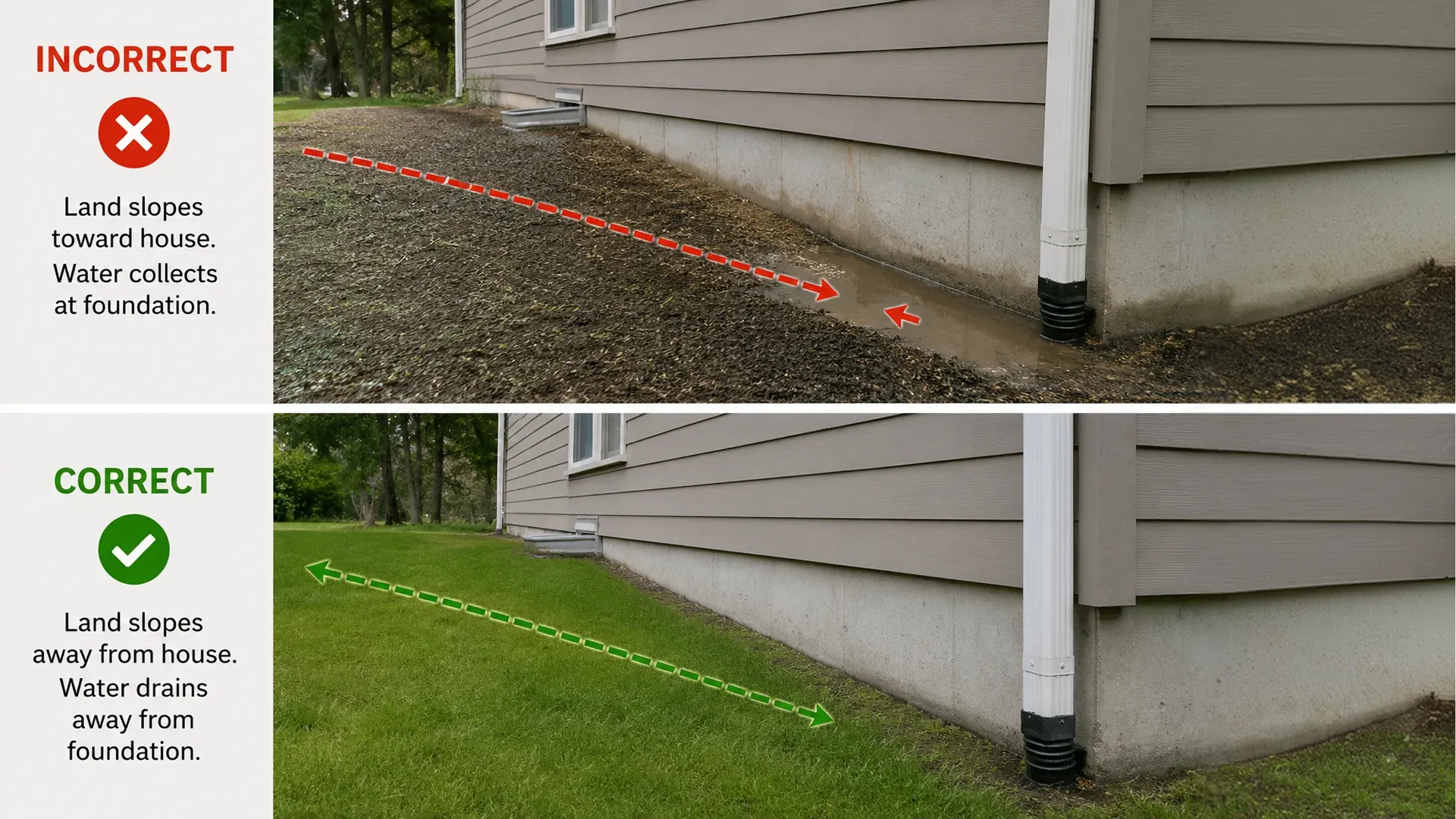
Before identifying the symptoms, it helps to understand what causes drainage issues in the first place. The single most common root cause, especially in Florida, is improper grading.
Improper grading means the land surrounding your property doesn't slope correctly to direct water away from structures. Instead of moving water toward drainage swales, retention areas, or the street, an improperly graded lot holds water in place or worse, channels it toward your foundation, driveway, or living spaces.
Improper grading leads to drainage issues because:
- Flat or inward-sloping ground creates low points where water collects after rain.
- Compacted areas with no drainage path force water to pool rather than infiltrate or run off.
- Soil erosion from previous construction or landscaping changes the original grade over time, creating new drainage issues where none existed before.
- Improper grading around additions or new construction disrupts existing drainage patterns on an otherwise well-prepared lot.
In many cases, drainage issues caused by improper grading weren't the result of a visible mistake. They developed gradually — from natural soil settling, tree removal that changed ground elevation, or landscaping changes that altered how water moved. But regardless of how they started, drainage issues from improper grading don't resolve on their own.
5 Warning Signs of Grading Problems on Your Property
These are the five most reliable indicators that your property has grading problems and that drainage issues are already developing underground or at the surface.
1. Standing Water After Rain That Doesn't Drain Within 24 Hours
This is the most visible sign of grading problems on any property. After a typical Florida rainstorm, water should drain from paved surfaces within a few hours and from lawn areas within 24 to 48 hours. If you're seeing standing water that persists well beyond that window, especially near your home's foundation, in low-lying areas of your yard, or alongside your driveway, grading problems are directing water to areas where it has no path to escape.
2. Erosion Channels or Gullies Forming in Your Lawn
When water consistently moves across the same path due to grading problems, it strips the topsoil and creates visible channels or gullies. These erosion marks are evidence of concentrated water flow, a sign that grading problems are directing water at high velocity across specific areas of your property instead of distributing it evenly or redirecting it to a drainage outlet.
3. Efflorescence or Water Stains on Foundation Walls
White chalky stains on concrete or block foundation walls, called efflorescence are caused by water repeatedly moving through the concrete and depositing mineral salts on the surface. This is a reliable indicator of grading problems: water is consistently reaching the foundation and finding a path through it. Left unaddressed, this moisture leads to concrete deterioration, steel corrosion, and eventual structural compromise.
4. Musty Odor in Enclosed Spaces Near Grade Level
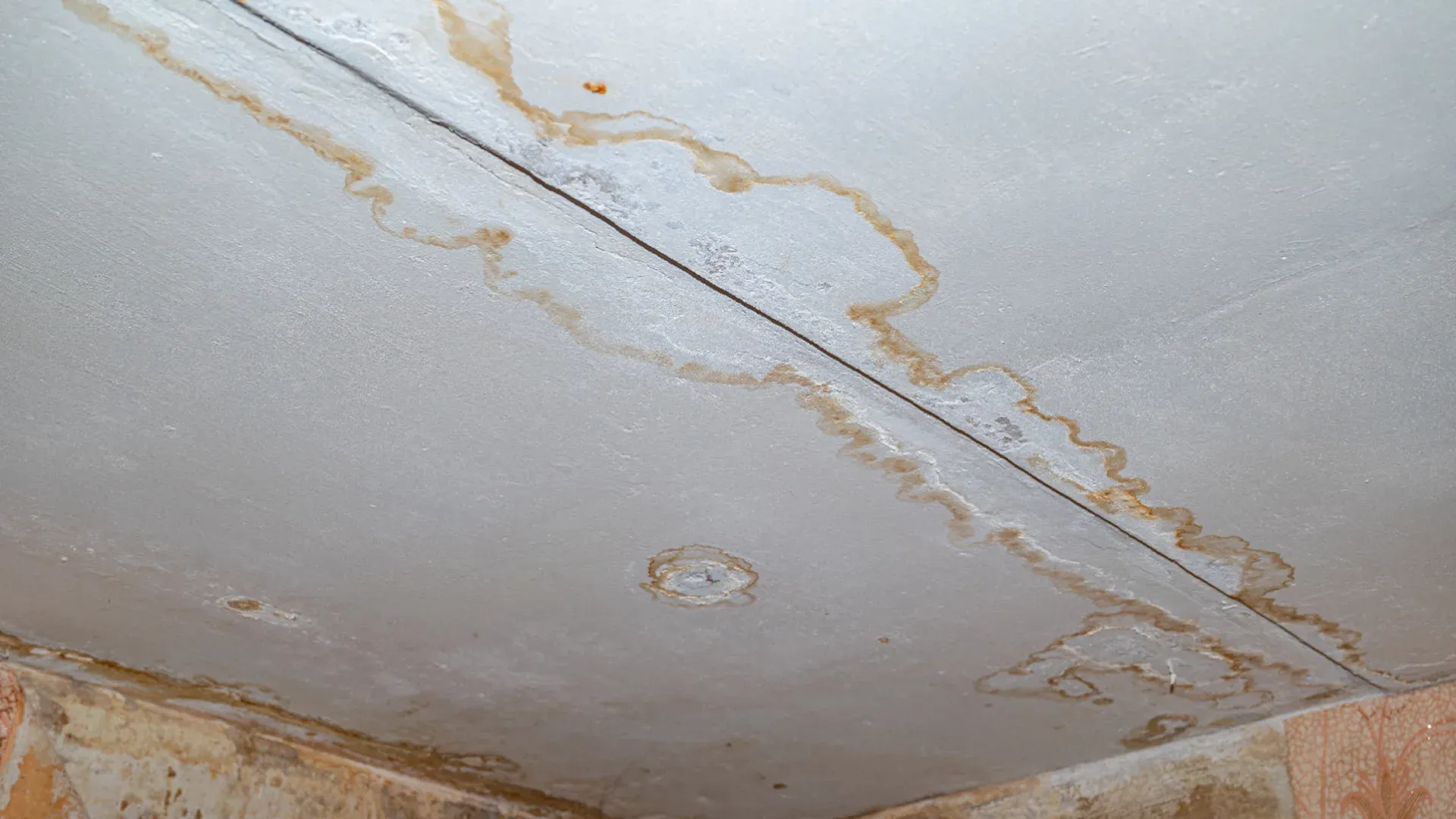
Garages, crawl spaces, and lower-level rooms that develop a persistent musty smell are almost always showing signs of moisture infiltration caused by grading problems. When the ground outside slopes toward your structure, water migrates through the soil, reaches the foundation, and creates humid conditions inside. Mold growth in these areas is extremely common when grading problems go unaddressed and mold remediation in Florida is expensive.
5. Soil Pulling Away From Foundation or Cracks in Exterior Walls
When soil alternately absorbs water and dries out, a pattern caused by grading problems that concentrate moisture in specific areas, it expands and contracts repeatedly. Over time, this movement pulls soil away from the foundation, creating visible gaps. It also exerts lateral pressure on foundation walls, contributing to the hairline and step cracks that signal the early stages of foundation movement.
What Happens If You Ignore Drainage Issues on a Florida Property
Florida's combination of high rainfall, shallow water tables, and sandy or organic soils makes drainage issues here far more damaging than in states with more permeable or better-draining soil profiles.
When drainage issues are ignored:
Foundation damage accelerates. Water-saturated soil loses its load-bearing capacity. In Florida, where structures commonly sit on shallow slab foundations, this creates conditions for slab cracking, settling, and the costly structural repairs that follow.
Mold becomes a health hazard. Florida's warm temperatures and humidity make mold growth extremely fast in moisture-exposed spaces. Drainage issues that allow water to reach wall cavities or sub-floor areas create persistent mold problems that require professional remediation, often costing more than addressing the original drainage issues would have.
Property value declines. Drainage issues show up clearly during home inspections. Properties with visible evidence of standing water, foundation staining, or mold consistently sell for less or fail to close entirely, when these issues aren't disclosed or corrected.
Neighbor relationships and legal exposure. In Florida, allowing water runoff from your property to damage adjacent lots creates legal liability. Drainage issues that redirect water onto neighboring properties can result in formal complaints and legal action.
__
Frequently Asked Questions About Drainage Issues in Florida
Can drainage issues damage my foundation in Florida?
Yes, and in Florida, drainage issues damage foundations faster than in most other states. The combination of intense seasonal rainfall, shallow water tables, and Florida's sandy or organic soils means that water from drainage issues reaches foundations quickly and in large volumes. Persistent moisture causes soil to expand and contract, exerts lateral pressure on foundation walls, and gradually reduces the soil's load-bearing capacity. Addressing drainage issues before construction or early in a property's life is significantly less expensive than repairing the foundation damage that drainage issues eventually cause.
How do I know if my property needs regrading to fix drainage issues?
The clearest signs that regrading is needed to correct drainage issues are: standing water that persists 24 to 48 hours after rainfall, visible erosion channels or gullies, water staining on foundation walls, musty odors in enclosed spaces, and soil pulling away from your foundation. A professional grading evaluation can confirm drainage issues and identify exactly where the ground slope needs to be corrected. In most cases, drainage issues caused by improper grading are correctable without major excavation, especially when identified early.
How much does it cost to fix drainage issues in Florida?
The cost to correct drainage issues in Florida depends on the scope of the grading problem. Simple regrading to fix drainage issues on a standard residential lot typically ranges from a few thousand dollars. Drainage issues that require the installation of French drains, culverts, or retention systems, or that have already caused structural damage, will cost significantly more. The most important factor in keeping the cost of fixing drainage issues manageable is acting on warning signs early, before drainage issues compound into foundation or structural repairs.
Conclusion: Don't Wait for Drainage Issues to Get Expensive
Drainage issues in Florida follow a predictable pattern: they start small, they stay invisible long enough to do real damage, and by the time they're undeniable, they've already created problems that cost far more to fix than the original grading work would have.
The five warning signs covered in this article, standing water, erosion channels, foundation staining, musty odors, and soil gaps, are your early alert system. None of them should be dismissed or monitored without action.
At Level One Grading, we specialize in diagnosing and correcting drainage issues on residential and commercial properties throughout Central Florida. Our team evaluates your property's existing grade, identifies where drainage issues are developing, and implements the right solution, before small problems become expensive ones.
Get your property inspected before small drainage issues become expensive repairs. Contact Level One Grading today.

About Miguel Orozco
Miguel Orozco is the President of Level One Grading, a trusted Central Florida grading and excavation company, delivering precise earthwork solutions and dependable results for residential and commercial projects since its founding.